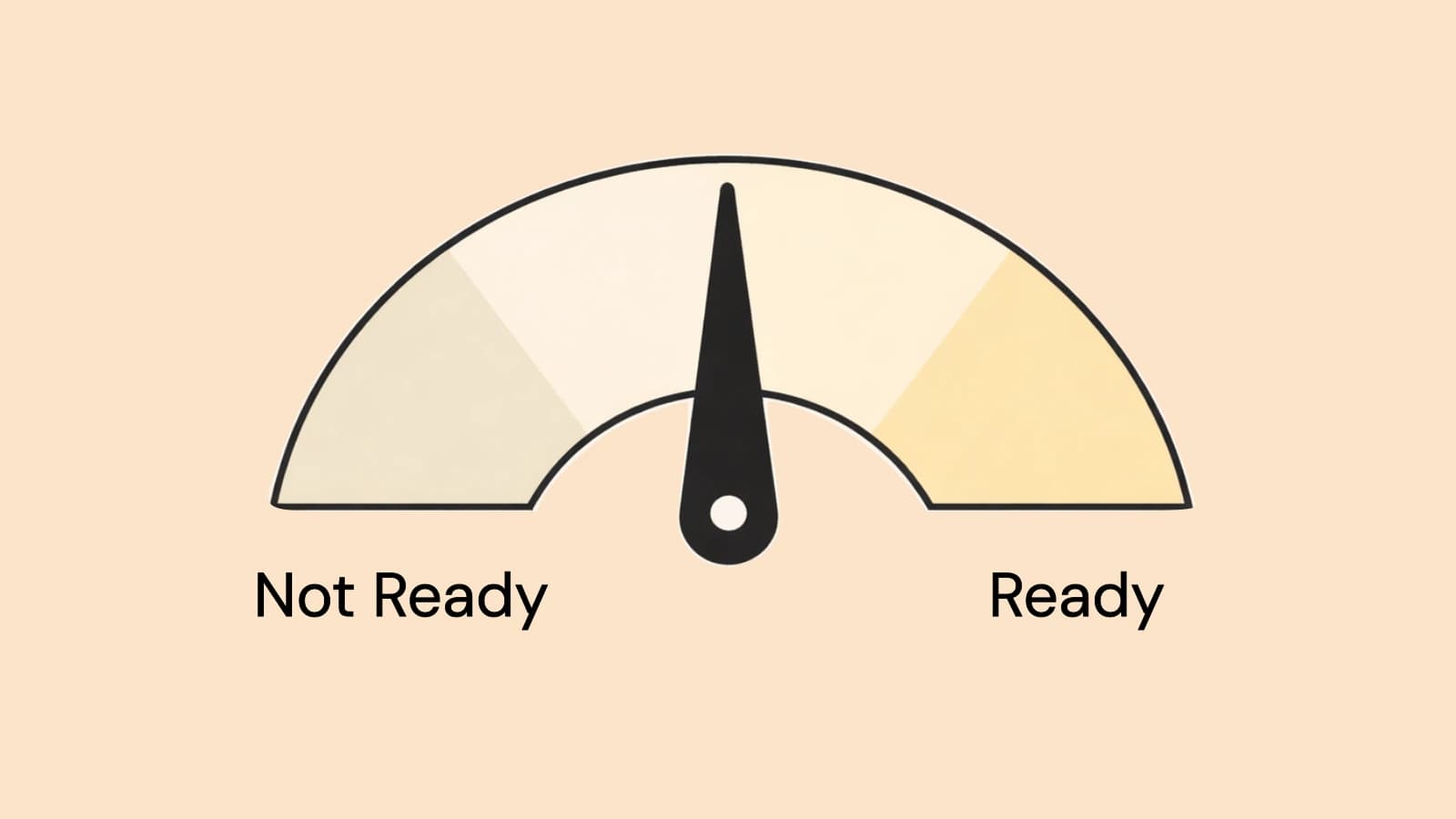
How to Batch Your Query Letters for Better Results

You've researched agents, built your list, and polished your query letter. Now you're ready to send. The temptation is to query everyone at once, get it over with, and wait for the offers to roll in.
Resist that temptation.
Querying in strategic batches is one of the most important things you can do to improve your odds of landing an agent. Here's why it matters and how to do it effectively.
Why Batching Works
Your query letter is an untested hypothesis. You think it's compelling. You think your opening pages hook readers. But you don't actually know until agents respond. And agents respond in predictable patterns:
- Form rejections mean something isn't working, either your query, your pages, or the concept itself.
- Partial requests (asking for more pages) mean your query is working but your pages might not be.
- Full requests mean both your query and pages are doing their job.
- Silence after the stated response time usually means rejection, though occasionally agents are just slow.
If you query all 50 agents on your list at once and get 50 form rejections, you've burned through your entire list with a broken query. You can't un-send those emails. Those agents are gone.
But if you query in batches of 5-10, you can learn from early responses, adjust your materials, and approach later agents with a stronger package.
The Batch Structure
A typical batching strategy looks like this:
Batch 1: The Test Batch (5-8 agents)
Your first batch is an experiment. Choose agents who are good fits but not your absolute top choices. You're testing whether your query generates interest.
Send your queries, then wait. Give agents at least 4-6 weeks to respond (check their stated response times). Track everything in your spreadsheet.
If you get zero requests: Something is wrong. Revise your query letter, have others review it, and consider whether your opening pages are strong enough. Don't send more queries until you've diagnosed and fixed the problem.
If you get 1-2 requests: Your materials are working, at least somewhat. You might still refine, but you can proceed.
If you get 3+ requests: Your query is doing its job. Move forward with confidence.
Batch 2-3: Building Momentum (8-10 agents each)
Once you've validated your query, start working through your list more aggressively. Include some of your higher-priority agents in these batches. Continue tracking responses to spot any patterns.
At this stage, you might have partial or full manuscripts out with agents from your first batch. That's fine. You can and should continue querying while you wait. Agents expect this.
Batch 4+: Dream Agents and Stragglers
By now, you have data. You know your request rate and you've likely refined your query based on feedback or patterns. This is when to approach your absolute dream agents, armed with materials you're confident in.
Continue querying until you either receive an offer of representation or exhaust your list.
What to Track
Your spreadsheet should capture:
- Date queried
- Materials sent (query only, query + pages, etc.)
- Response received
- Response date
- Type of response (form rejection, personalized rejection, partial request, full request)
- Notes on any feedback
Over time, this data tells a story. If agents consistently request partials but reject after reading more, the problem is your manuscript, not your query. If you're getting form rejections across the board, the query or concept needs work.
When to Revise
Batching only works if you actually use the feedback. Here's when to make changes:
After 10+ form rejections with no requests: Your query isn't working. Rewrite it. Get fresh eyes on it. Consider whether your hook is compelling enough.
After multiple partial rejections: Agents are intrigued by your query but not by your pages. Look hard at your opening chapters. Are they starting in the right place? Is the voice strong? Is there enough tension?
After full rejections with feedback: Pay close attention to any personalized comments. If multiple agents mention the same issue, address it, even if it means significant revision.
Some writers query, get feedback, revise their entire manuscript, and query again months or years later. This is normal. Publishing moves slowly, and persistence matters more than speed.
How Long Between Batches?
There's no fixed rule, but generally:
- Wait until you have enough responses from your current batch to draw conclusions (usually 4-6 weeks minimum)
- Don't let too much time pass between batches, or you lose momentum
- If you're getting requests, you can query more aggressively
- If you're revising based on feedback, pause querying until revisions are complete
Some writers query continuously, sending a few new queries each week as rejections come in. Others prefer discrete batches with evaluation periods between them. Both approaches work. The key is being intentional rather than reactive.
The Numbers Game
Here's the reality: most agented authors queried many agents before finding representation. Rejection is the norm, not the exception. Your job is to keep improving and keep querying until you find the right match.
Batching helps you play this numbers game strategically. Instead of throwing everything at the wall at once, you're methodically testing, learning, and refining. Each batch makes the next one stronger.
When to Stop
Stop querying when:
- You receive an offer of representation (congratulations!)
- You've exhausted all appropriate agents and need to either revise significantly or consider other paths
- You decide traditional publishing isn't the right fit for this project
There's no shame in any of these outcomes. Many successful authors shelved their first (or second, or third) manuscript before finding the book that landed them an agent. The skills you develop, including writing query letters, researching agents, and handling rejection, carry forward to every future project.
Keep querying. Keep learning. Your agent is out there.