How to Name Characters: A Guide for Fiction Writers
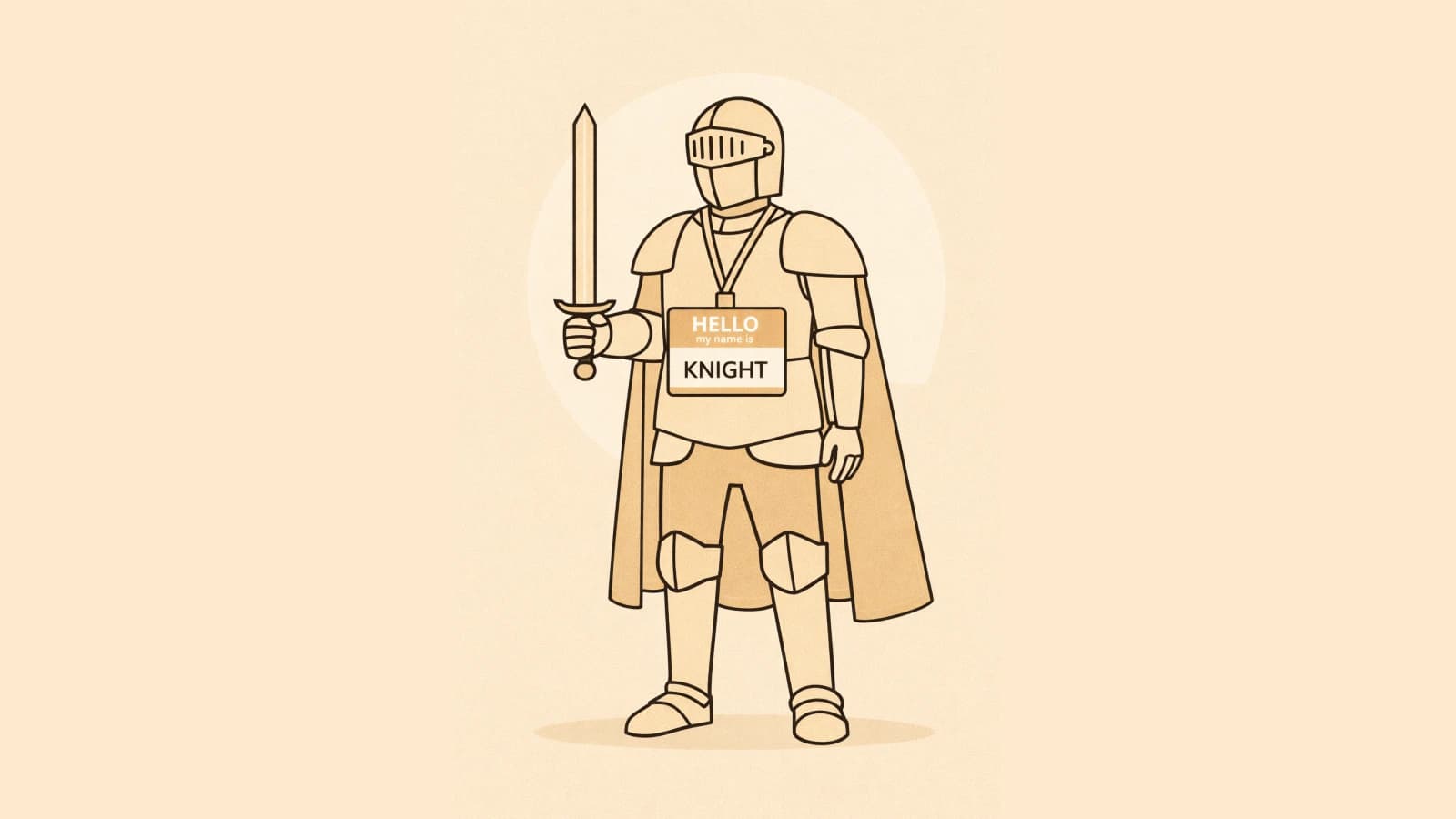
Before readers know anything else about your protagonist, they usually know their name. It's the first piece of information that shapes their mental image, their expectations, and their emotional connection to the character. A well-chosen name feels invisible, like it couldn't possibly be anything else. A poorly chosen name creates friction every time it appears on the page.
Naming characters might seem like a small detail, but it's one of those craft elements that separates polished fiction from amateur work. Here's how to get it right.
Why Names Matter
Names carry weight. They suggest age, background, social class, ethnicity, and era. A character named "Bartholomew" evokes a different image than one named "Jake." "Svetlana" places a character differently than "Madison," and you can tell "Dwight" and "Rocko" have different occupations. These associations happen instantly and unconsciously in readers' minds.
Names also affect how readers hear your prose. A name that's awkward to pronounce or too similar to another character's name creates tiny stumbles that accumulate over hundreds of pages. Conversely, a name with the right rhythm and sound can make dialogue flow naturally and scenes feel effortless to read.
Match Names to Your Setting
The most important rule of naming is consistency with your story's world. Names should feel like they belong in your setting's time, place, and culture.
Historical fiction requires research. A medieval English peasant wouldn't be named "Tiffany" (though the name did exist in medieval times, it was rare). A Victorian gentleman wouldn't be called "Jayden." Use historical records, census data, and naming conventions from your era to find authentic options.
Similarly, names inspired by ancient Rome would more likely end -us, while names from ancient Greece might end in -os. Just ask Alexios.
Contemporary fiction should reflect how people actually name children today, but be mindful that naming trends change quickly. A character born in 1985 would have different name options than one born in 2010.
Fantasy and science fiction offer more freedom but also more pitfalls. Invented names need to feel pronounceable and consistent within your world's linguistic logic. If one character is named "Kael," another shouldn't be named "Jennifer" unless there's a worldbuilding reason for the clash. Consider creating naming conventions for different cultures in your world, using consistent phonetic patterns that help readers distinguish between groups.
For more on building consistent fictional worlds, see our guide to worldbuilding.
Avoid Reader Confusion
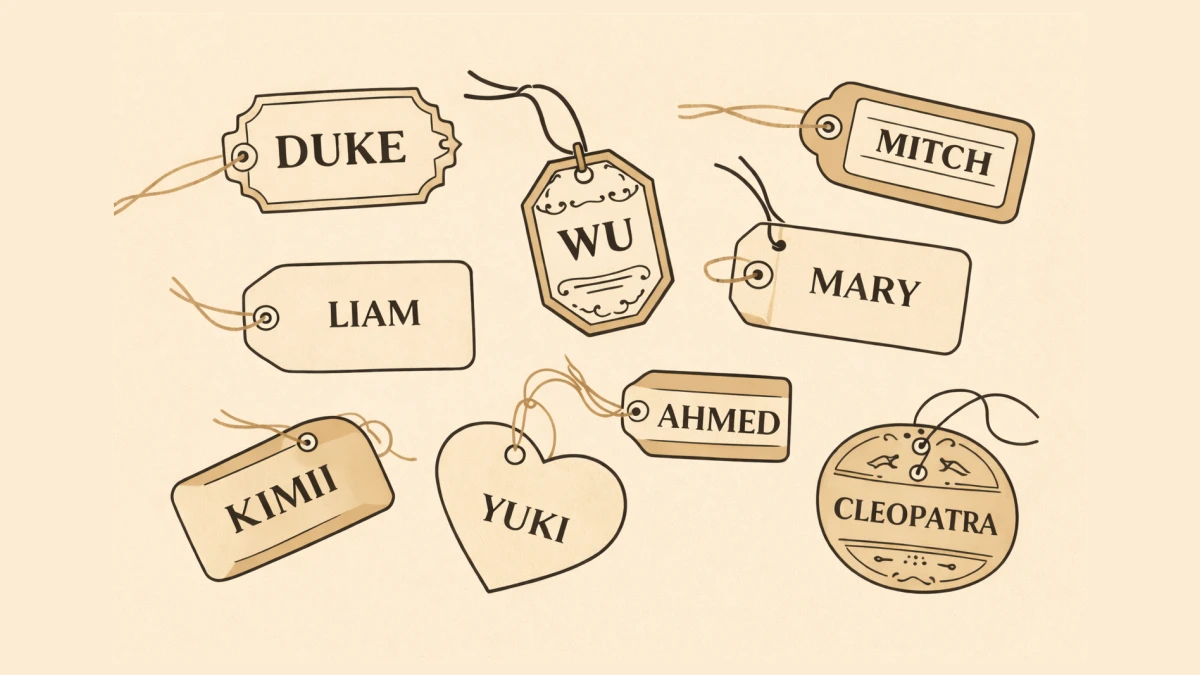
Nothing pulls readers out of a story faster than mixing up characters. Several naming practices create confusion:
Similar starting letters. If your main cast includes Sarah, Sandra, and Samantha, readers will constantly stumble. The same applies to similar sounds: "Kira" and "Kyra," or "Brian" and "Ryan." Vary your names' opening sounds and syllable patterns.
Similar length and rhythm. Four two-syllable names ending in "a" (Anna, Emma, Lila, Nora) blur together more easily than names with varied structures (Anna, Christopher, Mae, Nathaniel).
Unusual spellings. "Aiden" is readable. "Aydynn" makes readers pause every time they encounter it. Unless the unusual spelling serves a purpose, conventional spellings reduce friction.
Unpronounceable names. Readers subvocalize as they read, sounding out words in their minds. A name like "Xanthraex" stops that process cold. If you must use complex names in fantasy or sci-fi, consider providing a nickname or shortened form that readers can default to. Like "Xan".
A useful test: say your character names aloud in conversation. "Did you see what Marcus did to Elena?" flows better than "Did you see what Myzpolk did to Aelindria?"
Use Names to Convey Character
While you shouldn't be heavy-handed about it, names can subtly reinforce character traits or background.
Class and background. Names signal socioeconomic status, sometimes intentionally, sometimes through readers' unconscious associations. This can work for or against you. A wealthy character named "Tiffany" plays into stereotypes; one named "Bertha" subverts them.
Era and age. Name popularity shifts dramatically by decade. "Ethel" suggests an elderly character; "Olivia" suggests someone younger. This can help readers quickly grasp a character's approximate age without explicit description.
Cultural heritage. Names can indicate a character's ethnic or cultural background, which may be relevant to your story. Research naming conventions carefully to avoid stereotyping or inaccuracy.
Meaning and symbolism. Some writers choose names for their literal meanings: "Victor" for a character who triumphs, or flower names for characters associated with nature. Use this technique sparingly. If every name is laden with obvious symbolism, the effect becomes obvious. Subtlety serves you better than a character named "Faith" who struggles with believing in herself.
Practical Naming Strategies
When you're stuck, try these approaches:
Baby name databases sorted by year and country are invaluable for contemporary and historical fiction. Many allow filtering by origin, meaning, and popularity.
Census records and historical documents provide authentic names for specific eras and locations.
Credit sequences from films and TV shows offer lists of real names from various backgrounds.
Combine and modify. Take a first name from one source, a surname from another. Adjust spellings slightly for fantasy settings while keeping names pronounceable.
Say it aloud. Test how the name sounds in dialogue, in narration, and paired with other character names. Does it fit?
Common Mistakes to Avoid
The author-insert name. Giving your protagonist your own name, or a name suspiciously close to it, signals wish-fulfillment to readers. Similarly, don't name characters after your friends and family. Even if they're completely different people, your friend John won't be happy if John is your court jester.
Trendy names for the wrong era. "Nevaeh" didn't exist as a name before the 2000s. "Karen" peaked in the 1960s. Match names to your character's birth year.
Names that clash with tone. A gritty noir detective named "Bubbles" breaks genre expectations, which can work for comedy but undermines serious fiction.
Changing names too late. Find-and-replace can miss possessive forms, nicknames, and names embedded in compound words. If you change a name during editing, search meticulously.
Building a Believable Cast
Names don't exist in isolation. They exist alongside your other characters' names, and the full cast should feel cohesive.
Creating believable characters involves many elements, and the name is simply the first. But get it wrong, and readers will notice. Get it right, and it becomes part of the invisible architecture that makes your story feel real.
Conclusion
When you're uncertain about a name, research widely and trust your instincts. If it feels wrong every time you type it, it probably is. Keep searching until you find the name that clicks into place, that feels like it was always meant to be.
And if you're worried about whether your character names are working—or whether readers can keep your cast straight—Inkshift can help identify confusion in your manuscript, including characters who blur together or names that create reading friction.
Your character is waiting for their name. Make it a good one.