How to Write a Compelling Villain
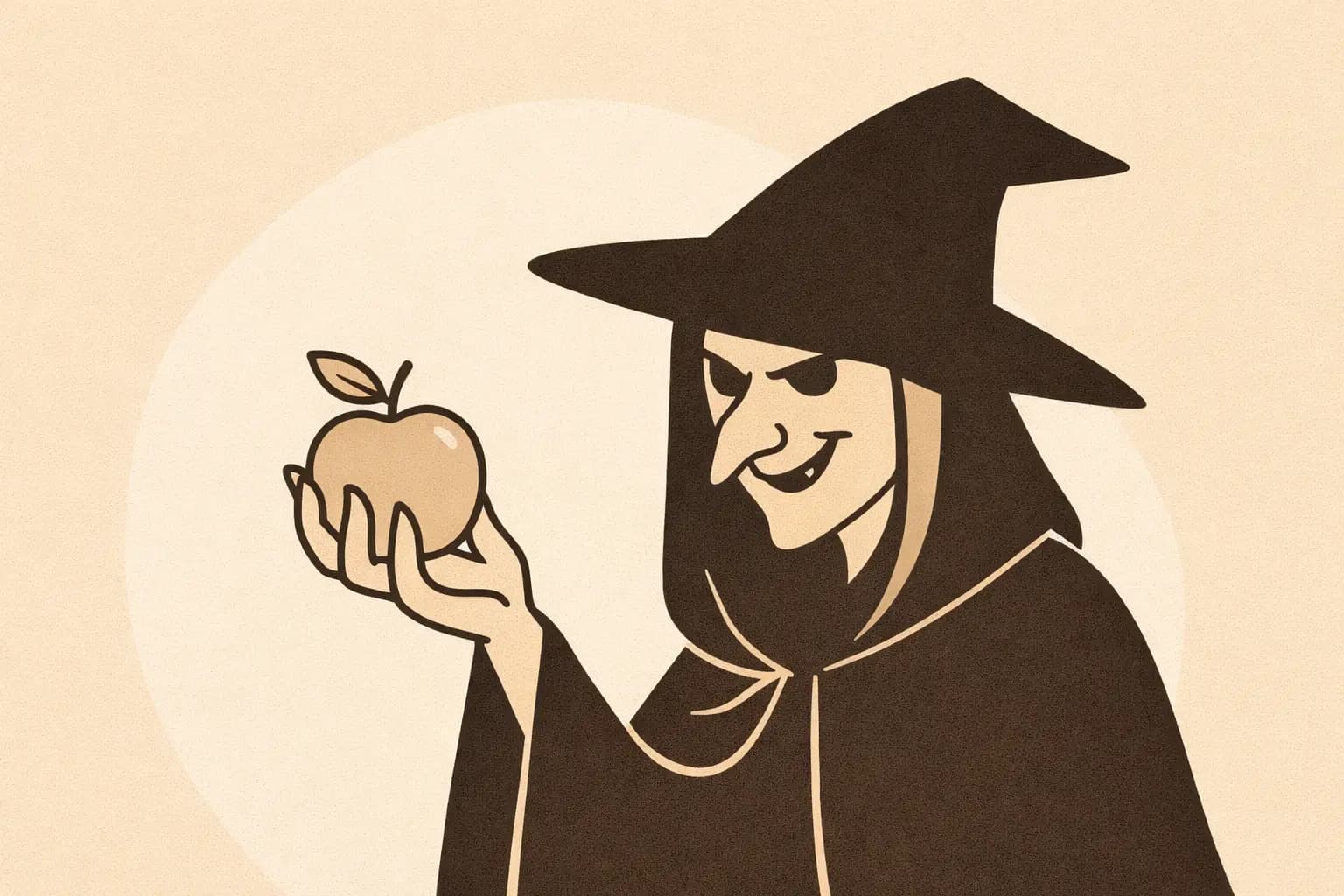
Your hero is only as interesting as the villain they face. A cardboard antagonist who's evil for the sake of being evil doesn't just weaken your villain, it weakens your entire story. The conflict feels hollow, the stakes feel artificial, and readers disengage.
The best villains are deep characters in their own right. They have goals, wounds, and a twisted logic that makes their actions feel real. Writing one requires the same care you give your protagonist. Here's how to create an antagonist readers will love to hate.
Give Them a Reason
The most important question you can ask about your villain is: why? Why do they want what they want? Why are they willing to do terrible things to get it?
"Because they're evil" isn't a great answer. Real people don't wake up and decide to be villains. They pursue goals that matter to them, using methods they've justified to themselves. Your antagonist should be no different.
Strong villain motivations often fall into recognizable categories:
Wounded idealism. They once believed in something good but were betrayed or disillusioned. Now they've twisted that belief into something dark. Magneto wants to protect mutants (which is a sympathetic goal) but his methods are genocidal.
Desperate need. They need something so badly that they'll cross any line to get it. A parent willing to kill to save their dying child. A scientist who'll experiment on humans to cure a plague. The need itself might be understandable, even noble. The methods aren't.
Logical conclusion. They've followed a chain of reasoning to its terrible endpoint. Thanos genuinely believes halving the universe's population will save it. He's wrong, but within his framework, he's being rational, even merciful.
Personal vendetta. They were wronged and want revenge. This works best when readers can understand the original wound, even if the revenge has spiraled far beyond proportion.
The goal isn't to make readers agree with your villain. It's to make readers understand how the villain agrees with themselves.
In essence, your villain should be a complete, believable character. We've written extensively about how to craft believable characters for those interested in further reading.
Make Them Competent
Nothing deflates tension faster than an incompetent antagonist. If your villain constantly makes stupid mistakes, your hero's victory feels hollow. They didn't win through skill or growth. They won because the villain handed it to them.
Competent villains:
- Anticipate the hero's moves and plan accordingly
- Have resources, skills, or knowledge that make them genuinely threatening
- Succeed at least some of the time, raising the stakes
- Force the hero to become better to defeat them
Your villain should be the hero of their own story. They're pursuing their goal with intelligence and determination. When they fail, it's because the hero outmaneuvered them, not because they forgot to lock the door.
Give Them Humanity
Even the darkest villain should have moments of humanity. Not to redeem them, but to make them feel real.
This might look like:
- Genuine affection for someone (a child, a pet, a lieutenant)
- A code they won't break, even when it would help them
- Moments of doubt or regret, quickly suppressed
- Small kindnesses that contrast with their larger cruelty
- A sense of humour, even if it's dark
These moments create cognitive dissonance for readers. The villain is monstrous, but also deeply human. That dissonance makes them memorable. We're disturbed because we recognize something of ourselves in them.
Think of Hannibal Lecter's cultured appreciation for music and fine dining. His humanity doesn't excuse his cannibalism; it makes it more horrifying. He's not a mindless monster. He's a person who chooses to be monstrous.
Connect Them to Your Hero
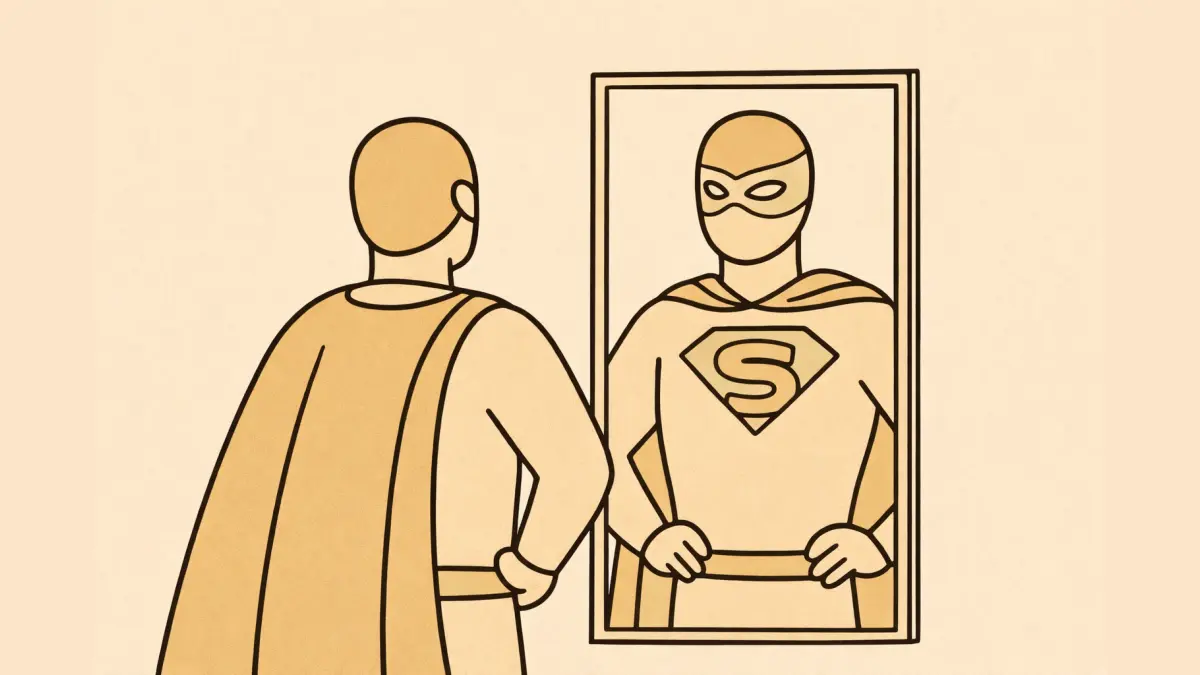
The strongest villain-hero relationships have a personal dimension. The antagonist isn't just an obstacle; they're a dark mirror, a foil, or someone with a shared history.
The dark mirror. The villain represents what the hero could become if they made different choices. They share similar wounds or abilities but diverged at a critical moment. This forces the hero to confront their own shadow. Harry Potter and Voldemort are both orphans shaped by Hogwarts, but one chose love while the other chose power.
The foil. The villain embodies opposite values or methods, throwing the hero's qualities into sharp relief. A villain who believes the ends justify any means contrasts with a hero who holds to principles even when it costs them. Batman and the Joker are order versus chaos, restraint versus anarchy.
Shared history. The villain and hero have a personal connection (former friends, family members, mentor and student). The conflict becomes personal, not just ideological. Betrayal hurts more than opposition from a stranger. Obi-Wan and Anakin have a mentor-student bond that makes their confrontation devastating.
These connections raise the emotional stakes. Defeating the villain means something beyond stopping their plan. It means the hero confronting something about themselves.
Avoid Common Pitfalls
The monologuing villain. Your antagonist shouldn't explain their entire plan while the hero is tied up. If you need to convey information, find a less clichéd way to do it.
Evil for aesthetics. Giving your villain a scar, a black wardrobe, and a sinister laugh doesn't make them compelling. Surface-level "evil" coding is lazy characterization. Let their actions and choices reveal their darkness.
The invincible villain. If your antagonist is so powerful that the hero has no realistic chance, tension disappears. Readers know the hero will win somehow, so overwhelming power just feels like the author stacking the deck.
Sudden redemption. A villain who turns good in the final act without proper groundwork feels like a cheat. If redemption is in your villain's arc, plant the seeds early. Show the internal conflict throughout, not just at the end.
Forgotten motivation. Some villains start with interesting motivations that get lost as the plot progresses. They devolve into generic obstacles. Keep returning to why they're doing this, even in the final confrontation.
The Villain's Arc
Just as your hero should change over the course of the story, consider whether your villain has an arc. This doesn't mean redemption. It might mean escalation, corruption, or collapse.
A villain who starts with a sympathetic goal might lose themselves as they pursue it, becoming the very thing they once fought against. A villain driven by grief might find their pain has become an addiction they can't release even when offered peace. A villain who's always been in control might unravel as their plans fail.
These arcs add depth and unpredictability. Readers don't know exactly where the villain is headed, which maintains tension even in familiar story structures.
For more on crafting compelling character arcs, including negative arcs that suit many villains, see our guide to character arcs.
Conclusion
Here's a simple test for your villain: Could you write a version of the story from their perspective where they're the protagonist? Not a good person, necessarily, but a person with comprehensible goals, genuine obstacles, and emotional stakes?
If the answer is yes, you probably have a compelling villain. And if you're unsure whether your antagonist is landing as intended, Inkshift can help. We provide instant manuscript feedback that analyzes your characters, including whether your villain feels motivated and dimensional or falls into common pitfalls. Sometimes all you need an outside perspective to see what's working and what isn't.
Your villain deserves as much craft as your hero. Give them that attention, and your entire story will be stronger for it.