How to Choose the Perfect Title for Your Novel
Your book title is often a reader's first encounter with your work. Before they study the cover or read your blurb, they take in the name. It sets tone, signals genre, and shapes expectations.
For most authors, the right title rarely arrives in a single flash of inspiration. It's a deliberate process: finding something memorable that still fits the story.
If you're stuck on "Untitled Draft 4," this guide walks through what makes a strong title and how to find one that belongs to your manuscript. Something Useful This Way Comes!
What Makes a Good Book Title?
The most effective titles don't try to summarize the plot. Instead, they capture the essence or flavour of the story. Think of the title as a promise to the reader about the experience they're about to have.
Rhythm and Sound A title is meant to be spoken. Word of mouth remains a primary driver of book sales, so your title needs to roll off the tongue. Consider the cadence of The Catcher in the Rye or Gone with the Wind. They have a specific rhythm that makes them satisfying to say and easy to remember.
Genre Expectations Your title serves as a signal for your genre. A title like The Duke’s Secret signals a historical romance, A Game of Thrones equals fantasy, while The Girl with the Dragon Tattoo suggests a thriller. Subverting these expectations can be a stylistic choice, but it risks confusing your target audience.
Specificity Generic titles often slip from memory. The Long Journey or The Dark House could apply to thousands of books. Specificity creates hooks for the memory. Unexpected pairings of words or concrete imagery tend to stick with readers longer than abstract concepts.
6 Types of Book Titles That Work
If you're staring at a blank page, it helps to categorize your options. Most successful book titles fall into one of six structures.
1. Single Word Titles
Examples: Atonement, Beloved, Circe
Single-word titles are bold and declarative. They signal confidence. This approach works well if your book has a central, overpowering theme or an iconic protagonist. The challenge is finding a word that isn't already overused. If you choose this route, the word must carry significant weight within the narrative.
2. Character Name Titles
Examples: Emma, Rebecca, Lolita
Naming the book after your protagonist (or antagonist) places the focus entirely on a specific character study. This suggests to the reader that the character's internal journey or personality is the primary driving force of the book. This works best when the name is unique or when the character is larger than life.
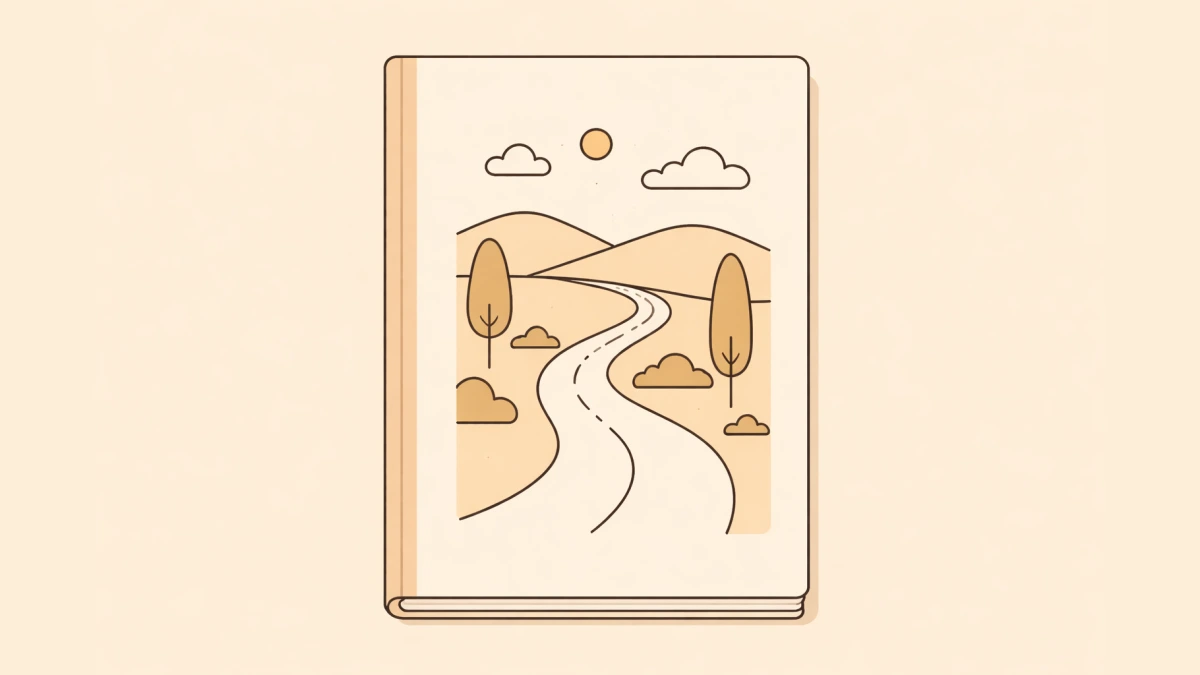
3. Image or Object Titles
Examples: The Road, The Bell Jar, The Goldfinch
These titles ground the story in a physical reality while often serving as a metaphor. The Bell Jar isn't a book about glass jars; it’s about the feeling of being trapped in one’s own mind. If your story features a recurring object or a distinct setting that mirrors the protagonist's emotional state, this can be a powerful naming convention.
4. Phrase Titles
Examples: To Kill a Mockingbird, Things Fall Apart, Gone Girl
Phrases often have the best rhythm. They can be idioms, fragments of dialogue, or poetic descriptions. These titles allow for more complexity than single-word titles and can set a very specific mood. They often hint at the central conflict or the atmosphere of the world.
5. Relational Titles
Examples: My Brilliant Friend, The Time Traveler’s Wife
These titles define a relationship between characters or between a character and their setting. They establish a dynamic. If the core of your novel is about the connection between two people (whether romantic, platonic, or adversarial) a relational title frames the story through that lens.
6. Action or State Titles
Examples: Waiting for Godot, Falling Man
These titles imply movement (or the lack thereof). They suggest a process is underway. They are particularly effective for literary fiction or stories focused on a specific event or psychological state.
How to Find Your Book Title
Once you understand the types of titles available, begin the brainstorming process. It's important to note that naming your novel should always come after you've written it. As we discuss in this article on the different drafts of writing, the first draft is often authors telling themselves the story. So don't waste too much time thinking of a title before you understand what your own story is really about. And if you're not yet finished your book, try this article to get across the finish line.
- Read and Highlight: As you're editing your manuscript, highlight phrases that resonate. Look for unique descriptions or dialogue. Often phrases that summarize the theme or central conflict. Speaking of which...
- Identify the Core: What is the emotional or thematic center of your book? Is it grief? Redemption? Ambition? Write these down.
- Free-write: Write down every idea that comes to mind. Aim for volume, not quality. Try to generate 30 to 50 ideas.
- Sort and categorize: Group your list by the six types mentioned above. Notice patterns. Are you leaning heavily toward character names? Is there a recurring image?
- The Audio Test: Say your top ten choices aloud. Do you stumble over them? Do they sound like other famous books?
- Check Thematic Fit: Does the title accurately reflect the tone? A humorous title for a bleak tragedy will mislead the reader.
- Incubate: Pick your top three to five favorites and live with them for a week. See which one sticks.
Mining Your Manuscript for Title Ideas
Sometimes the answer is already on the page. You may have planted the title in the text without you realizing it.
Check your chapter titles or any epigraphs you included. These often contain thematic summaries. Look at the emotional turning points of the story.
Look at the last line of your book. Endings are where writers often summarize the entire journey. Similarly, use the "Find" function in your word processor to look for words you repeat frequently. If you use the word "shadow" fifty times, explore titles involving that word.
Look for contradictions or paradoxes in your story. What does your character obsess over? If they are obsessed with a specific place or memory, that obsession could be the title.
And finally, if mining through your own manuscript is difficult, tools like Inkshift can help. Inkshift analyzes your entire novel, from story structure and prose feedback to plot holes, character arcs, and setting. It also gives you a marketability analysis, as well as a list of comparable titles and a full synopsis of your work. Searching through the Inkshift report can help pull out major themes, repeated phrases, and in addition to helping you write the best work you possibly can, it can also help you name it.
Common Title Mistakes
As you narrow down your list, watch out for these pitfalls:
- Too Abstract: Titles like The Journey or Reflections mean nothing to a browser in a bookstore. They provide no hook.
- Trying to be Clever: Avoid forced puns or inside jokes the reader won't understand until they finish the book. The title needs to be inviting before the story is read.
- Ignoring the Audio: If people can't pronounce it or remember it, they can't recommend it. Similarly, sometimes two words said together sound like other words. For example: Force Labs also sounds like Four Slabs.
- Forcing Symbolism: If the blue curtains are just blue curtains, don't name the book The Azure Veil unless it matters.
- Clinging to Placeholders: Don't let a working title stick just because you're used to it.
Remember, don't be afraid to change your title if it's not working. The Great Gatsby was almost called Trimalchio in West Egg, and Jane Austen’s Pride and Prejudice began as First Impressions.
Conclusion
The best titles feel inseparable from the story they name. Use a placeholder while you draft, then let the right one surface as the manuscript sharpens. Whether you land on a character name, a poetic phrase, or a single stark word, make sure it serves the story and invites the reader in.