A Writer’s Guide to Character Arcs
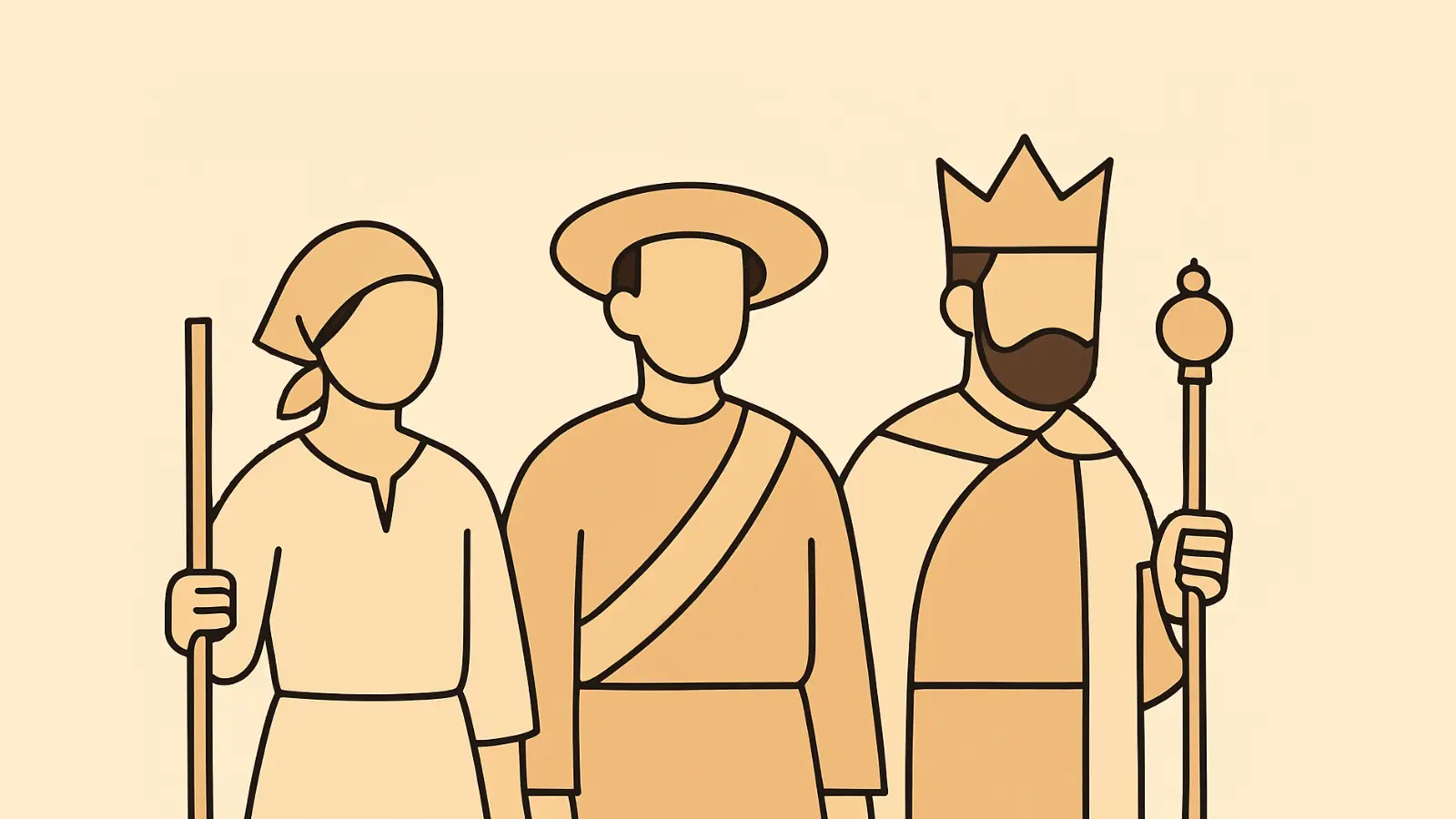
Compelling stories run on change. Plot tracks the external events; a character arc maps the internal journey. It’s the transformation (or sometimes the deliberate lack of one) that a character undergoes in response to the challenges they face. Understanding that progression is central to good storytelling. It’s what makes characters feel real and keeps readers turning pages.
Not every character needs a dramatic arc; a minor character who serves a specific plot function might remain static. But your protagonist needs one. Their internal change is the emotional core that makes the plot matter. In this article we'll discuss the most common types of character arcs.
The Positive Arc
The most common and widely recognized character arc is the positive arc. This is the story of growth, learning, and betterment.
Its structure is straightforward: a character begins the story with a significant flaw or a deeply held false belief about themselves or the world. As they pursue an external goal, the plot forces them to confront this flaw. The external challenges and the internal flaw are intrinsically linked. To succeed in their quest, they must first overcome their internal obstacle. By the end, they have shed their initial flaw, learned a crucial truth, and emerged as a changed, and often better, person.
A classic example is Elizabeth Bennet in Pride and Prejudice. Her journey to overcome her own prejudice against Mr. Darcy is the central arc of the novel. His transformation from a proud man to one capable of humility complements hers. This arc is the backbone of most commercial fiction, as it delivers a hopeful and satisfying message about human potential for growth.
The Flat Arc
In a flat arc, the protagonist doesn't change. Instead, they change the world around them. These characters begin the story with a strong, unwavering moral core and a clear understanding of the truth. The plot doesn't challenge their beliefs to change them but to test them.
Think of heroes like Atticus Finch in To Kill a Mockingbird or Captain America in the Marvel Cinematic Universe. Their steadfastness is their defining trait. The story’s conflict comes from the character’s struggle to hold onto their principles in a world that is flawed, corrupt, or broken. Their victory often isn’t about personal transformation but about imposing their worldview onto the flawed system or society they inhabit. The flat arc is effective in stories where the central theme is about justice, integrity, and fighting for what is right against overwhelming odds.
The Negative Arc
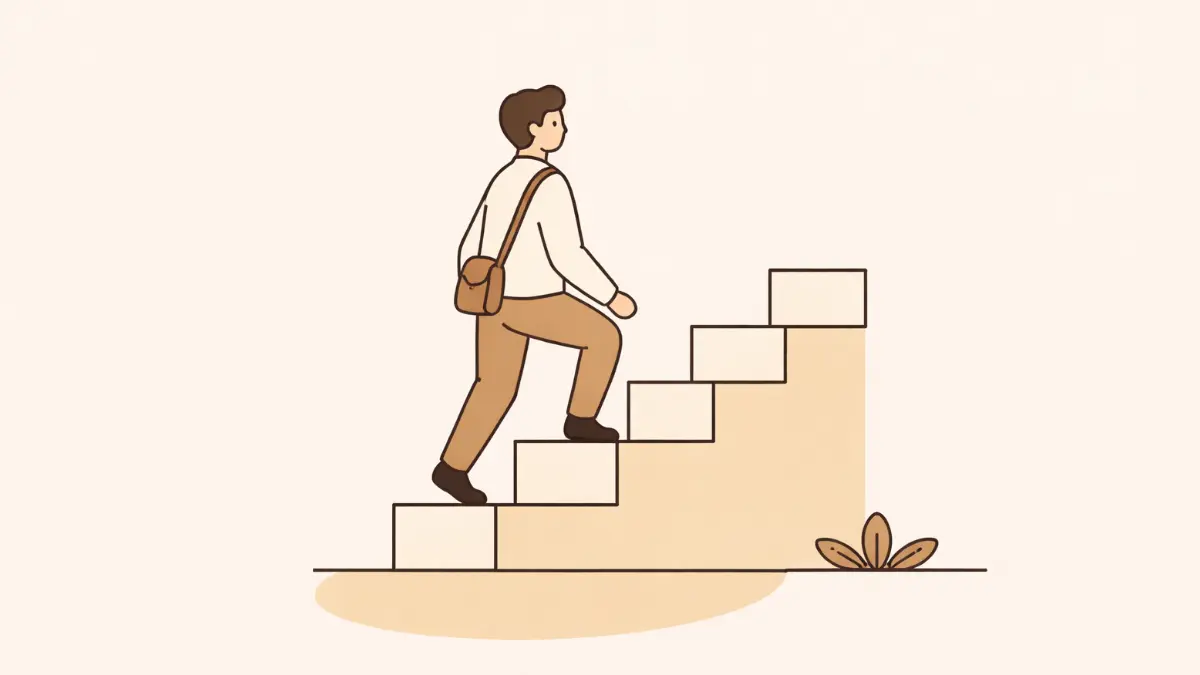
Where the positive arc shows a character's ascent, the negative arc chronicles their descent. These are stories of corruption, disillusionment, and tragedy, where the protagonist ends up in a worse state than where they began. A negative arc doesn’t necessarily mean the story is less powerful; these can be some of the most memorable narratives.
There are three common variations:
- The Corruption Arc: A character, often starting as a good or neutral person, gradually abandons their morals and becomes a villain. Walter White’s transformation from a mild-mannered teacher to a ruthless drug lord in Breaking Bad is a prime example.
- The Disillusionment Arc: An idealist is worn down by the harsh realities of the world, ending up cynical or broken. This is a common trope in noir fiction, where the detective’s quest for truth reveals a darkness that ultimately consumes their optimism.
- The Tragedy Arc: A character possesses a fatal flaw that leads directly to their downfall. Shakespeare’s Macbeth, whose ambition drives him to murder and madness, is the archetypal tragic hero.
Negative arcs are used to tell cautionary tales, explore complex moral questions, and create powerful tragedies.
The Circular Arc
The circular arc is a more nuanced structure where a character undergoes significant change throughout the story but ultimately returns to their starting point. This isn't to say nothing has happened. The journey was real, but its conclusion is a return to the familiar, for better or worse.
This can be a positive outcome, suggesting an acceptance of one's true self after a long journey of exploration. Conversely, it can be a negative outcome, illustrating that the character is trapped in a destructive cycle they are unable to escape. Some noir protagonists, who solve a case but are left just as jaded and alone as they began, follow this path. Before his breakthrough, the protagonist of Groundhog Day is trapped in a negative circular arc, doomed to repeat the same patterns. This arc is useful for stories about futility, addiction, or the powerful inertia of one’s own nature.
Multiple Characters, Multiple Arcs
Stories are rarely about a single person in isolation. The interplay between different character arcs can deepen a story's theme. A protagonist's positive arc might be contrasted with a supporting character's negative arc, highlighting the different paths people can take when faced with similar challenges.
In romance (as we discuss in this article), it’s common to see two protagonists, each with a positive arc that allows them to grow into people who are ready for a healthy relationship. An ensemble cast in a television series will often feature characters with different arc types playing out simultaneously, creating a complex and layered narrative tapestry.
Common Mistakes
Executing a character arc requires a delicate balance. Here are a few common mistakes to avoid:
- Unearned Transformation: The character's change feels abrupt or happens without sufficient narrative pressure. A real transformation requires struggle; the character must be forced to change by the plot.
- Talking, Not Showing: The narrative tells the reader that a character has changed, but their actions and choices don't support this claim. A change in worldview must be demonstrated through behavior. This is a classic case of telling, not showing.
- No Connection to Plot: The character's internal journey feels disconnected from the external events of the story. The best arcs happen when the internal flaw is the very thing preventing the character from achieving their external goal. One should feed off the other.
- Reverting: A character learns a valuable lesson in one chapter but seems to forget it in the next, reverting to old behaviors without explanation. This can frustrate readers and make the arc feel pointless.
Spotting these issues in your own manuscript is difficult. Because you know the character so intimately, your brain can fill in gaps the reader can't. This is where getting manuscript feedback is helpful, and tools like Inkshift can track character progression over your entire draft and identify strengths, inconsistencies, and spot areas for improvement.
Matching Arc to Genre
While any arc can appear in any genre, some pairings are more common because they align with reader expectations:
- Romance: Almost always features positive arcs, as two people overcome their internal flaws to become ready for love.
- Thriller/Action: Often uses flat arcs, focusing on a competent hero who remains competent while taking down a threat.
- Literary Fiction: Can feature any arc type, and often explores more subtle, complex, or ambiguous transformations.
- Tragedy: By definition, centers on a negative arc.
- Mystery: The detective often has a flat arc (a stable force of logic), while the story may reveal the negative arc of the culprit.
- Fantasy/Sci-Fi: Often uses positive arcs, a consequence of the hero's journey.
Planning Your Character Arc
You might be thinking that identifying arcs is all well and good, but how do you actually implement them? There are many ways, but one effective strategy for writing a satisfying character arc is planning ahead. While we won't dive too deep in this article, we'll give a quick overview.
Before you write a single scene, map out your character's transformation. Start by identifying your protagonist's core flaw or false belief at the beginning of the story. Then, determine what truth they need to learn by the end. Finally, work backward to design plot events that will force them to confront this flaw incrementally.
This is where story structure becomes your ally. Frameworks like the Three-Act Structure or Save the Cat! provide natural checkpoints for character development. The catalyst forces them into action, the midpoint challenges their worldview, the "all is lost" moment strips away their defenses, and the climax requires them to apply what they've learned. When your plot beats align with your character's internal journey, the arc feels organic rather than forced.
For a detailed exploration of different plotting approaches and how to choose the right one for your process, check out our guide to novel story structures.
Conclusion
A character arc answers a simple but profound question: who is this person at the end, and how are they different from who they were at the beginning? The strongest arcs feel surprising in the moment and inevitable in retrospect. Choosing one for your protagonist shapes your plot, theme, and tone. If you're stuck, try working backward from the ending and ask what internal change the climax requires.