How to Get Feedback on Your Writing
Writing a novel can feel like a solitary act: just you and the blinking cursor. Turning a rough draft into a publishable manuscript, though, is collaborative work. The initial spark may come from within, but sharpening it takes outside perspective.
See, the problem is that as an author, you can't remain objective about your own work. When you've lived inside a story for months or years, your brain fills in the gaps. You know what the characters are feeling, you see the setting in your mind's eye, but that doesn't mean your readers will too. External feedback becomes critical. It bridges the gap between your intention and what your reader actually experiences.
The why of getting feedback makes sense. The how is often the tricky bit.
Traditional Feedback Sources
Before algorithms and apps, writers relied entirely on other authors and readers to improve their craft.
Fellow Writers and Peers
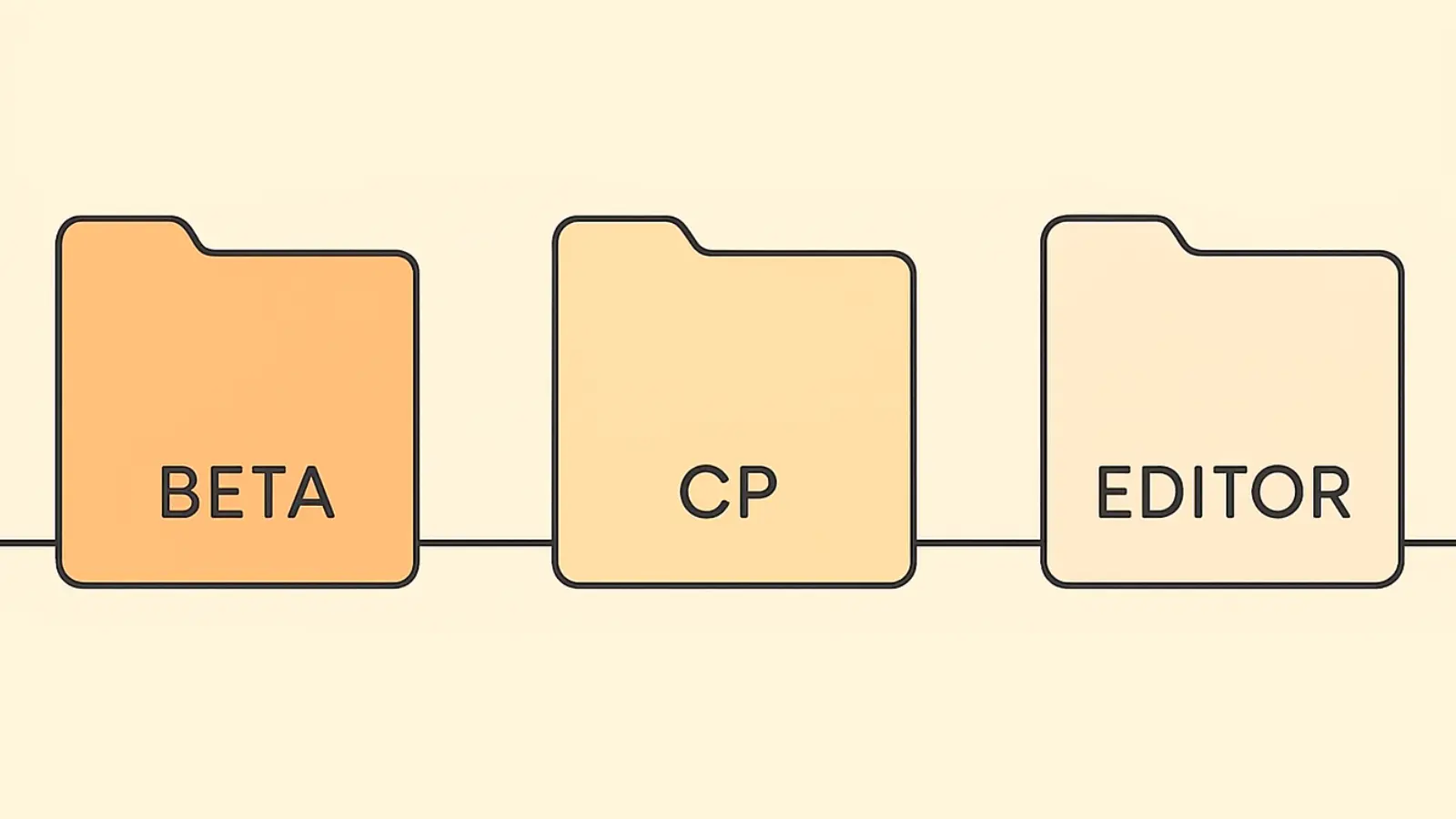
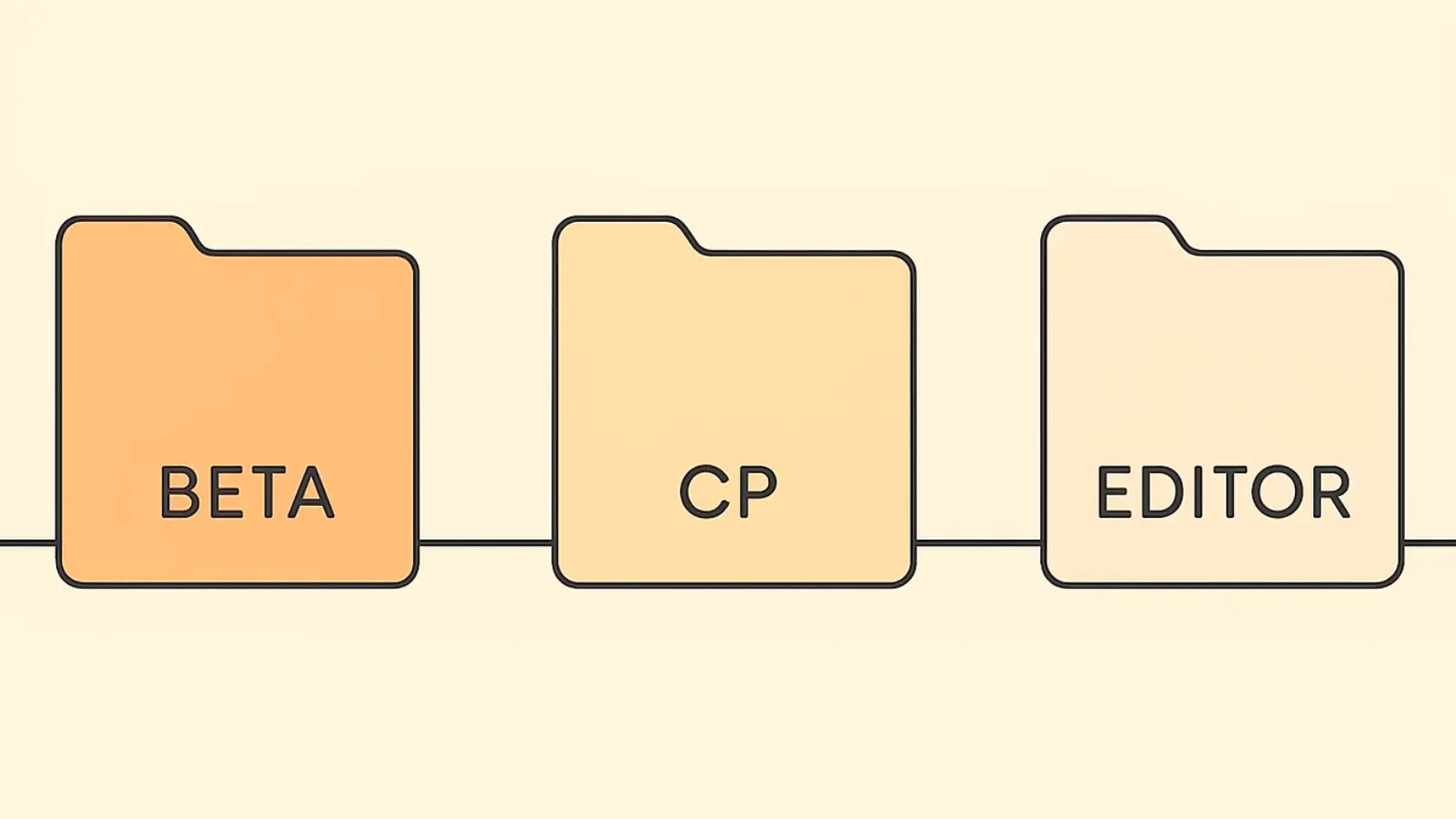
Joining a writing group or finding a critique partner (CP) is often the first step for new writers. These relationships are built on reciprocity. You read their work, and they read yours.
- Writing Groups: These can be local meetups or online forums. They offer a sense of community and the comfort of knowing you aren't struggling alone. Hearing diverse perspectives on a single scene can highlight issues you might have missed.
- Critique Partners: A CP relationship is usually deeper and more committed than a general group. Ideally, you find someone in your genre who understands the specific expectations of your audience, and is writing a book of their own.
The Benefits: You gain access to multiple perspectives for the cost of your time. Writing groups and CPs understand the creative process firsthand. They know the struggle of plotting a novel or developing a character arc. This shared experience creates a supportive environment where you can discuss craft openly. And the reciprocal nature builds accountability. When you commit to reading someone else's work, you're more likely to stay consistent with your own writing schedule.
The Challenges: While valuable, peer feedback has limitations. Scheduling can be difficult, and finding a partner with a compatible skill level takes time (and luck). Plus, feedback is subjective. One person's favorite character might be another's least favorite, leading to conflicting advice that can be confusing to parse.
Professional Editors
If you are preparing for self-publishing or want to submit a pristine manuscript to agents, hiring a professional is a significant but often necessary step.
- Developmental Editors: They look at the big picture items like plot, structure, pacing, and character arcs.
- Line Editors and Copyeditors: They focus on the sentence level, correcting grammar, flow, and style consistency.
The Benefits: Professional editors bring expertise that years of experience provide. They've seen hundreds of manuscripts and can quickly identify patterns that weaken your story. Their feedback is informed by industry standards, helping you understand what agents and publishers expect. A good developmental editor can transform a sprawling mess into a tight, compelling narrative. They also provide credibility. If you're self-publishing, a professionally edited book signals to readers that you take your craft seriously.
Cost Considerations: Professional editing is an investment. Depending on the length of your manuscript and the depth of editing required, costs can run into the thousands.
Beta Readers
Beta readers aren't editors; they represent your ideal reader. They read your draft to provide a "user experience" report.
- Finding Beta Readers: Look for readers who love your specific genre. A romance reader might offer unhelpful feedback on a hard sci-fi thriller because they aren't the intended audience.
- Guiding the Feedback: Don't just ask, "Did you like it?" Give them specific questions. Ask if the middle dragged, if the protagonist was funny or if they laughed, or if the ending felt satisfactory.
The Benefits: Beta readers provide an authentic measure of how your story will land with actual readers. They aren't analyzing craft or looking for technical errors. They're experiencing your book the way a reader browsing at a bookstore would. Their emotional reactions are pure and unfiltered. If they stayed up until 3 AM to finish your book, you know you've nailed the pacing. If they got confused in chapter twelve, you know there's a clarity issue.
The Challenges: Finding reliable beta readers can be difficult. Not everyone who volunteers will actually finish your manuscript or provide useful feedback. Some might be overly kind to spare your feelings, while others might be harsh without being constructive. Managing multiple beta readers' schedules and expectations requires organization and patience.
For more information on traditional feedback source check out our article Beta Readers, Critique Partners, Editors? How to Choose the Right Feedback.
Inkshift: A New Approach to AI Story Feedback
For writers looking for deep, analytical feedback without the wait or price tag, Inkshift offers a solution built specifically for long-form fiction.
Thousands of authors across the globe have incorporated Inkshift into their writing process. Here are a few reasons why:
- Depth of Analysis: While CPs and beta readers often provide vague encouragement or surface-level notes, Inkshift digs into the mechanics of storytelling. It offers structural insights, finds intricate plot holes, checks for setting consistency, and tells you whether your third-act twist lands as intended.
- Time: While beta readers and critique partners take weeks or months to return your feedback, an Inkshift report is available in minutes.
- Actionable: Theory is helpful, but practical application is better. Inkshift provides concrete, specific guidance that you can implement immediately. It doesn't just tell you a scene is off; it gives you the clear steps needed to fix it.
Inkshift's core manuscript analysis diagnoses story and prose problems without changing the manuscript itself. For later-stage drafts, its dedicated Line Editing and Copyediting services apply separate full-manuscript passes for prose and technical cleanup.
Self-Editing Techniques
Before you seek feedback from outside sources, you should take your manuscript as far as you can on your own. Developing a sharp editorial eye is a skill that serves you throughout your career. And while you might think readers won't notice the scene you felt was off, they almost always do. So if you're not happy with your manuscript yet, odds are they won't be either.
The "Resting" Period
Try not to edit immediately after finishing a draft. You are too close to the work. Set the manuscript aside for some time to clear your mind. When you return, you will read it less as the writer and more as a reader, making flaws much more apparent.
Reading Aloud
This is one of the most effective techniques for catching clunky dialogue and poor writing rhythm. If you stumble over a sentence while reading aloud, your reader will mentally stumble too. Your ear will catch repetitions that your eye skips over.
The Reverse Outline
If your plot feels tangled, try a reverse outline. Write down what actually happens in each scene of your finished draft (not what you planned to happen). This reveals if a scene lacks conflict or if a plot thread was dropped halfway through the book. Remember, every scene should move the plot, develop a character, and have tension. Every. Scene.
Combining Multiple Feedback Approaches
Successful authors rarely rely on a single source of feedback. Instead, they use a hybrid approach that maximizes efficiency and quality.
- Self-Edit: Use the techniques above to clean up the obvious mess.
- Instant Analysis: Use tools like Inkshift to identify structural, pacing, and prose issues. This gives you clear revision priorities before you return to the manuscript.
- Beta Readers/Peers: Once the story is structurally sound and readable, send it to CPs to test the emotional impact.
- Professional Editor: If you are publishing, this is the final polish.
By using an AI beta reader and self-editing first, you respect your readers' time. And when and if you do end up swapping with a critique partner, you'll have caught the biggest issues already, so they can focus on the details that make the difference.
How to Process and Implement Feedback
Receiving feedback can be emotionally taxing. It is easy to become defensive or, conversely, to accept every critique as gospel and lose your own voice. We have a full article on What to Do With Book Feedback, but here's some simple steps to get you started.
Categorize the Feedback
Distinguish between objective errors (grammar, plot holes) and subjective opinions ("I didn't like the main character's hat"). Objective errors usually need fixing. Subjective opinions require consideration. If one person dislikes a plot twist, it might be personal taste. If five people dislike it, you likely have a problem. Always remember: the story is yours. Just because someone didn't like something doesn't mean you have to change it. Trust your vision for the tale.
Avoid Feedback Paralysis
Getting too much feedback from too many sources can lead to paralysis. You might feel like pulling the manuscript in ten different directions. When this happens, again, return to your vision. What was the story you wanted to tell? Prioritize feedback that helps you tell that story more effectively.
Conclusion
Improving your writing doesn't stop at "The End." It takes courage to let others see your work and judgment to know which advice to follow.
Balance the emotional insight of beta readers and CPs with the speed and depth of tools like Inkshift, and you build a feedback loop that's both efficient and effective. The goal isn't a perfect first draft; it's a revision process that lets your best work emerge.