Plot Holes in Fiction: Types, Famous Examples, and How to Fix Them

In Harry Potter and the Prisoner of Azkaban, Hermione receives a "Time-Turner," a device that allows her to travel back in time to attend extra classes. Later, she and Harry use it to save two lives. But then the device is largely forgotten, leaving readers to wonder why it wasn't used to solve much larger problems, like preventing Voldemort's return. When a story's internal logic breaks, readers notice.
A plot hole is an inconsistency that contradicts the established logic of your story. It might be a character acting in a way that makes no sense, a magical rule that conveniently changes, or a timeline that doesn't add up. These gaps in logic erode a reader's trust and pull them out of the immersive world you've worked so hard to create. A well-constructed plot feels inevitable, not contrived.
First drafts are filled with inconsistencies, and that’s fine. The key is to catch and fix them during revision. Before diving into the most common types, it helps to understand that not all plot holes are the same problem, and different types require different fixes.
Want another pass over your own draft? Inkshift's plot hole finder looks for potential gaps in story logic as part of a manuscript critique. Start with your first 10,000 words free, then use the checks below to review the findings yourself.
A Typology: Four Kinds of Plot Holes
Continuity errors are the most visible to readers: a character’s eye color changes, a building that was described as north of town is later south of it, a wound heals between scenes with no time accounted for. These are errors of internal consistency that sharp readers catch and note in reviews. They’re usually fixable with a fact-check pass.
Logic holes are deeper: events unfold in ways the story’s own rules don’t support. The Harry Potter Time-Turner is a famous example: the rules of the device, once established, logically prevent Voldemort’s rise, but the story never addresses this. Pirates of the Caribbean: Dead Man’s Chest has a structural logic hole in how the chest’s power actually works when tested against its own stated rules. Logic holes usually require rethinking the rules or rethinking the plot.
Character motivation holes occur when a character acts in a way their established psychology doesn’t support — not because they’ve grown, but because the plot required them to make a different choice. The villain who suddenly becomes careless. The cautious character who takes a reckless risk the story hasn’t earned. These are the hardest holes to diagnose because they can feel like "character" rather than "plot."
Worldbuilding holes are specific to fantasy, science fiction, and historical fiction: the established logic of the world is violated for plot convenience. A magic system that suddenly works differently. A technology that can do things it was never shown to do. A historical detail that doesn’t hold up. These holes break the reader’s immersion specifically because they trusted the author to have thought through the world’s rules.
Next, we'll look at the five most common ways these plot holes show up on the page, and how to fix each.
1. Convenient Coincidences and Ignored Solutions
What it looks like:
- The hero finds the one obscure object they need at the exact moment they need it.
- Characters facing a problem never discuss or try the most obvious solution.
- Perfect, unexplained timing saves the day.
Why it's a problem: This undermines your character’s agency. When the solution simply appears, it feels less like the character earned their victory and more like the author is manipulating events from off-stage. It removes tension and makes successes feel hollow.
How to fix it:
- Plant resources earlier: If a character needs a specific skill or item, introduce it long before it becomes crucial. This is the classic setup-and-payoff structure; the earlier setup makes the later payoff feel earned.
- Justify inaction: Have your characters explicitly discuss and reject the simple solutions. Maybe the obvious route is too dangerous, morally wrong, or has failed before. This shows the reader you've considered the easy way out and have a good reason for not taking it.
- Replace convenience with choice: Instead of having a character stumble upon a clue, make them work for it. Discoveries should come from investigation, difficult choices, or sacrifices.
- Add legitimate obstacles: If there's an easy fix, create a believable reason why it's unavailable. Perhaps the person with the answer is unreachable, or the necessary tool is broken.
2. Inconsistent Character Knowledge and Forgotten Information
What it looks like:
- A character knows something they couldn't possibly know or forgets a critical piece of information they learned earlier.
- A vital clue is discovered but is never mentioned or acted upon again.
- Characters behave as if they are unaware of information previously revealed to them.
Why it's a problem: This breaks the reader's belief in the character. It can make them seem incompetent or, worse, like pawns being moved around by the plot. It also frustrates readers who are tracking the story's details more closely than the characters seem to be.
How to fix it:
- Track what characters know: Use a spreadsheet or doc to log what each main character knows and when they learned it. This is especially useful in stories with multiple points of view or complex mysteries.
- Show information transfer: If one character needs to know what another has discovered, make sure that conversation happens on the page or is clearly implied.
- Force characters to act: When a major revelation occurs, characters should react to it. If they don't, there must be a compelling reason. Perhaps they're in denial, or acting on the information is too dangerous.
- Use dramatic irony intentionally: You can create powerful tension when the reader knows something a character doesn't. The key is that this is a deliberate choice, not an oversight. Readers can tell!

3. Powers, Skills, and Abilities That Disappear
What it looks like:
- A character possesses a skill or magical power that could easily solve the current problem, but they neglect to use it for no reason.
- The established rules of your magic system or technology suddenly work differently to serve the plot.
- Special abilities appear just in time to resolve a conflict and then vanish from the story.
Why it's a problem: This destroys the internal logic of your world. When rules you've established can be bent or broken at will, the stakes evaporate. If anything can happen, the challenges your characters face lose their meaning.
How to fix it:
- Write down the rules: Explicitly document the rules of your magic system, technology, or character skills. Define not only what they can do, but also, perhaps equally as important, what they can't.
- Establish limitations early: Introduce the downsides or costs of using an ability early on. This way, when a character hesitates to use their power, the reader understands why.
- Create legitimate obstacles: Design situations where a character's skills genuinely don't apply. A master swordsman is still vulnerable to poison, and a powerful wizard might be useless in another dimension.
- Keep the rules consistent: The rules of your world must apply even when it's inconvenient for your plot. Sometimes, this means you have to find a more creative solution to a problem rather than breaking your own rules.
4. Motivations That Serve Plot Instead of Character
What it looks like:
- A character acts in a way that contradicts their established personality, goals, or core beliefs.
- Decisions feel forced, existing only to move the plot from point A to point B.
- A villain suddenly does something foolish just so the hero can succeed.
- A character changes their mind or allegiance without a sufficient catalyst.
Why it's a problem: Believable characters are the heart of fiction. When their actions are driven by the needs of the plot rather than their own internal desires and logic, they cease to feel like real people. This shatters the reader's emotional investment in their journey.
How to fix it:
- Reverse-engineer the motivation: If the plot requires a character to take a specific action, work backward to find a compelling personal reason for them to do so. What new information could they learn? What pressure could be applied to them?
- Show the internal conflict: When a character must make a difficult decision that goes against their nature, show their internal struggle. Let the reader see the turmoil and the reasoning that leads to their eventual choice.
- Let the character win: Sometimes, the plot is the problem. If a character logically wouldn't do what the plot requires, consider changing the plot to align with the character.
- Provide new information: A character can believably change their position if they are given new information that reframes their understanding of the situation.
This issue often arises from writers who have meticulously plotted their novel. They know where they need the plot to go, so they force it. To understand how to avoid this, and learn about a strategy for how to plot vs discover your novel, here's a helpful article
5. Time, Distance, and Continuity Errors
What it looks like:
- A journey across a continent takes three days in one chapter and three weeks in another.
- Character ages, pregnancies, or the healing of wounds don't track properly over the course of the story.
- Events happen at a speed that defies the physical realities of your world.
- Seasons change illogically, or references to dates and times conflict.
Why it's a problem: These errors break the reader's immersion in the world. They are often small details, but they signal a lack of care and can make the entire setting feel flimsy and unreal.
How to fix it:
- Create a master timeline: Build a timeline of major events in your story, noting dates, durations, and seasons. Keep your narrative straight.
- Map it: If your story involves significant travel, use a map (even a rough sketch) to estimate realistic travel times between locations.
- Track character details: Keep a separate log for important character details that change over time, such as age or physical condition.
How to Find Your Own Plot Holes
Authors are too close to their work to see it objectively. Here's a systematic approach to finding holes before your readers do.
Self-Audit: Questions to Ask About Every Scene
Work through your manuscript scene by scene and ask:
- Continuity: Do character descriptions, locations, and object states match what's been established? Has enough time passed for any changes (wounds, travel, pregnancy) to be plausible?
- Motivation: Why is this character in this scene? What do they want? Is this consistent with what we know about them? Would they realistically do what the plot requires them to do here?
- Information: What does this character know at this moment? Is anything they say or do dependent on information they haven't yet received?
- Rules: Does anything in this scene violate an established rule of the world, the magic system, or the technology? Does it contradict a character's established ability or limitation?
- Logic: Is there an obvious solution to this scene's problem that the character would clearly attempt? If they're not attempting it, is there a reason shown on the page?
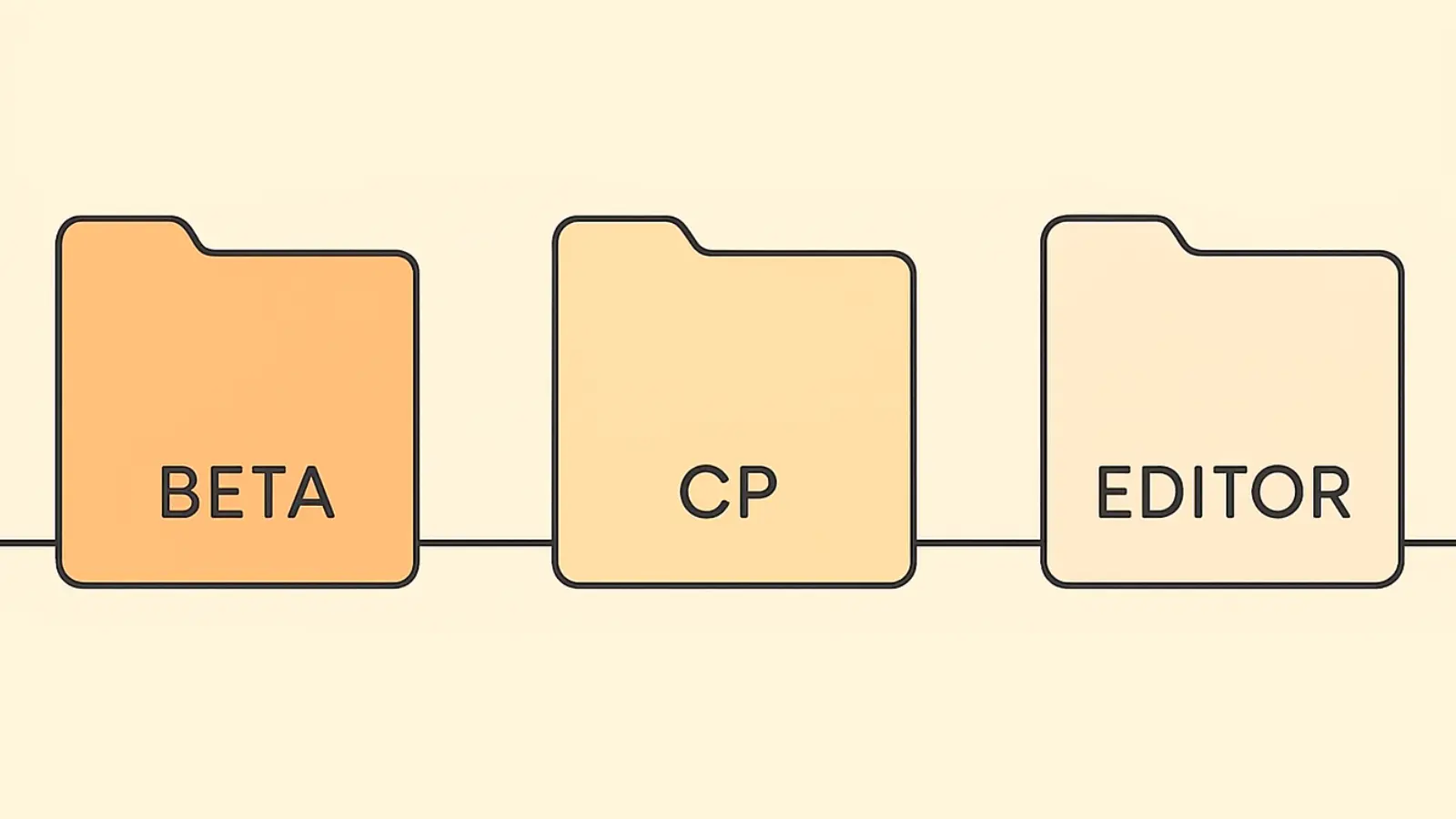
Beta Readers vs. Structural Editing: Which Catches What
These two methods of outside feedback catch different kinds of holes.
Beta readers are good at catching continuity errors, character motivation holes, and moments where the plot asks them to accept something that "doesn't feel right." They respond emotionally and track the reading experience. They'll tell you when something confused them or felt unfair. They're less reliable at diagnosing why a hole exists, only that something feels wrong.
Structural editing (whether from a developmental editor or an AI critique tool) is better suited to logic holes and worldbuilding holes — structural-level problems that require analyzing the manuscript as a whole system rather than experiencing it as a reader. A structural edit asks: given the rules this book has established, does the resolution follow? A beta reader may not notice a logic hole if the scene is well-written enough to carry them through it emotionally.
The practical answer: both. Use beta readers for the first pass — their confusion will tell you where the holes are. Use structural feedback to diagnose the underlying cause and design a fix that doesn't create new problems.
An Outside Perspective
When you're buried deep in your draft, even the best self-audit checklist might not help you see a glaring plot hole. As the author, you know every twist and turn, bit of backstory, and hidden motivation behind your characters. Readers don't have that context, and that's why getting objective feedback is so critical for good storytelling.
Inkshift provides instant manuscript critiques across your entire narrative, including an analysis of plot holes, whether there are any logic gaps, as well as structural issues, pacing problems, character, setting, and more. It's a great way to get a quick, outside perspective on your novel.
Conclusion
Finding a plot hole in your draft isn't a sign of failure; it's a normal and expected part of writing. Your first draft is about telling yourself the story, and revisions are about making that story logical, compelling, and immersive for a reader.
Patching these holes is what transforms a rough manuscript into a polished and believable narrative. Some fixes are simple, requiring only a new line of dialogue to explain a character's choice. Others might demand significant restructuring. By systematically searching for and mending these logical gaps, you ensure that when a reader reaches the end, the story feels not just satisfying, but inevitable.