How to Write Subplots That Strengthen Your Story
A novel without subplots feels thin. A novel with too many feels scattered. Subplots are the secondary storylines that run alongside (and into) your main plot, adding depth, variety, and texture to your narrative. But they require careful handling to serve your story rather than derail it.
Here's how to craft subplots that strengthen your novel.
What Subplots Do
Before we dive in, here's an example of a subplot.
Main plot: a rookie detective races to catch an arsonist. Subplot: she’s secretly raising her teenage brother, who keeps vanishing at night. The subplot isn’t extra drama—it forces hard tradeoffs (stakeout vs. home), mirrors the theme (control vs. chaos), and raises the stakes. Near the end, the brother’s secret collides with the case—not by coincidence, but because she’s been stretched too thin to see it.
Subplots like these can serve multiple purposes:
Character development. Your main plot focuses on external events. Subplots let you explore characters' internal lives, relationships, and growth in ways the main plot might not accommodate.
Thematic reinforcement. A well-chosen subplot can explore your theme from a different angle, deepening the novel's meaning without hitting readers over the head.
Pacing control. Subplots let you cut away from the main action, building suspense or providing breathing room after intense scenes.
World expansion. Subplots can explore corners of your world that the main plot doesn't touch, making your setting feel larger and more real.
Reader engagement. Multiple storylines give readers multiple reasons to keep turning pages. If one plotline slows down, another can pick up.
A subplot that doesn't serve at least one of these purposes is probably dead weight. If you need help identifying what to cut, here's a handy guide.
Connect Subplots to Your Main Plot
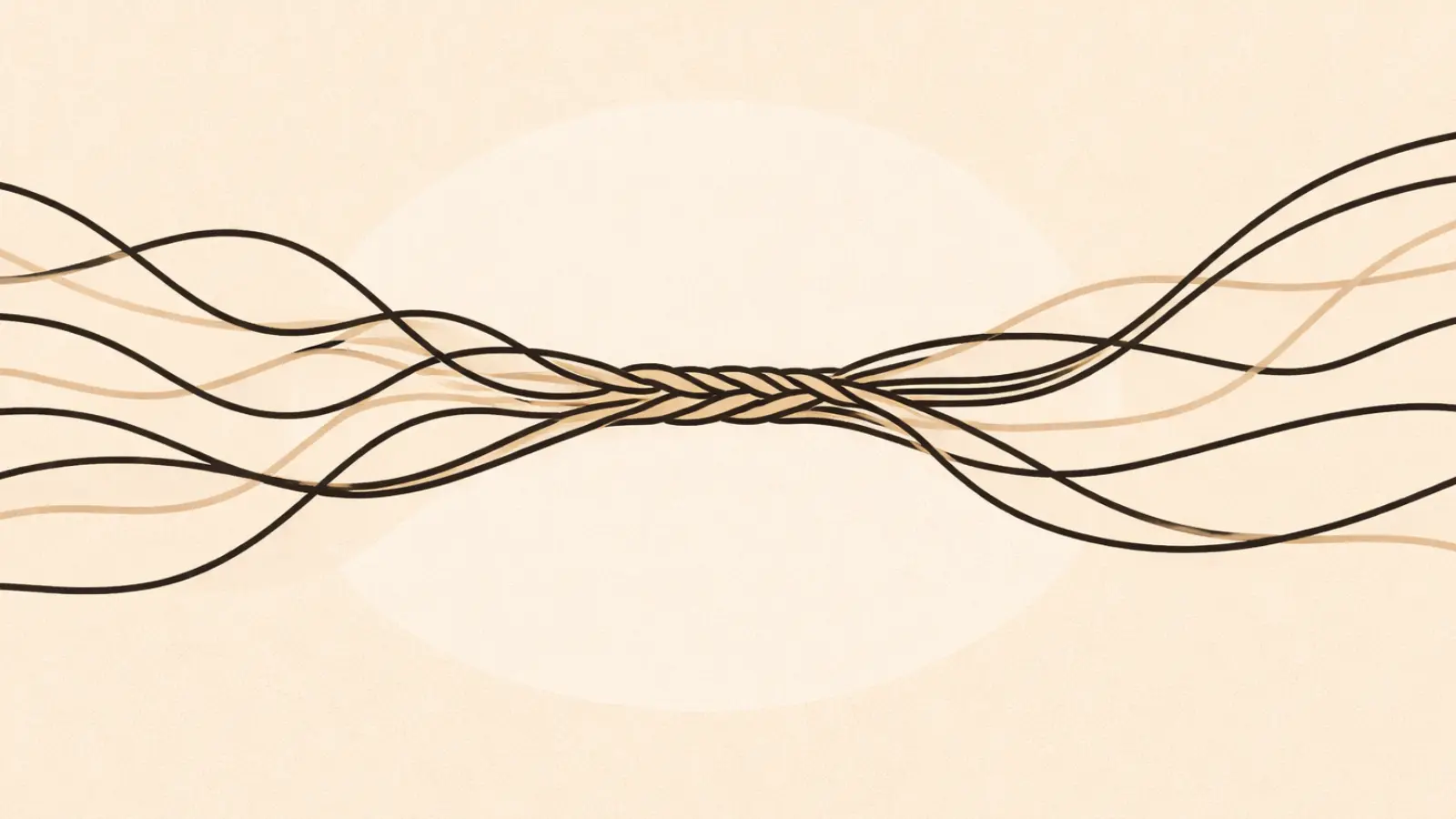
The most effective subplots aren't independent stories running parallel to your main plot. They're intertwined with it. They affect the main plot and are affected by it.
Connections can take many forms:
Thematic echo. The subplot explores the same theme as the main plot but through different characters or circumstances. If your main plot is about trust, a subplot about a secondary character's betrayal resonates thematically.
Character impact. Events in the subplot change your protagonist emotionally or practically, affecting how they approach the main plot. A romance subplot might give them something to fight for. A family conflict subplot might distract them at a critical moment.
Resource competition. The subplot demands time, energy, or attention that the protagonist needs for the main plot, creating tension and forcing choices.
Convergence. The subplot and main plot eventually merge, with subplot events directly affecting the climax or resolution. This can be very satisfying for readers when seemingly disparate events intertwine at the climax.
Subplots that never touch the main plot feel like digressions. Readers wonder why they're reading about this instead of the story they care about. This is particularly noticeable in series where there's setup in early books for payoff later.
Types of Subplots
Certain subplot types appear across genres:
Romance subplots. A relationship develops alongside the main action. Works in almost any genre, but must not overshadow the main plot unless you're writing romance.
Internal conflict subplots. The protagonist struggles with a personal issue (addiction, trauma, self-doubt) that complicates their ability to pursue the main goal.
Relationship subplots. Non-romantic relationships (friendships, family dynamics, rivalries) develop and change over the course of the story.
Mystery subplots. A secondary question or secret that readers want answered, maintaining engagement even when the main plot slows.
Mirror subplots. A secondary character faces a parallel situation to the protagonist, often making different choices that highlight the protagonist's path.
Antagonist subplots. The villain's own story, shown from their perspective or revealed gradually, adding dimension to the opposition.
Choose subplots that serve your specific story. A thriller might need a mystery subplot and a relationship subplot but not a romance. A romance might need a career subplot and a family subplot.
When to Introduce Subplots
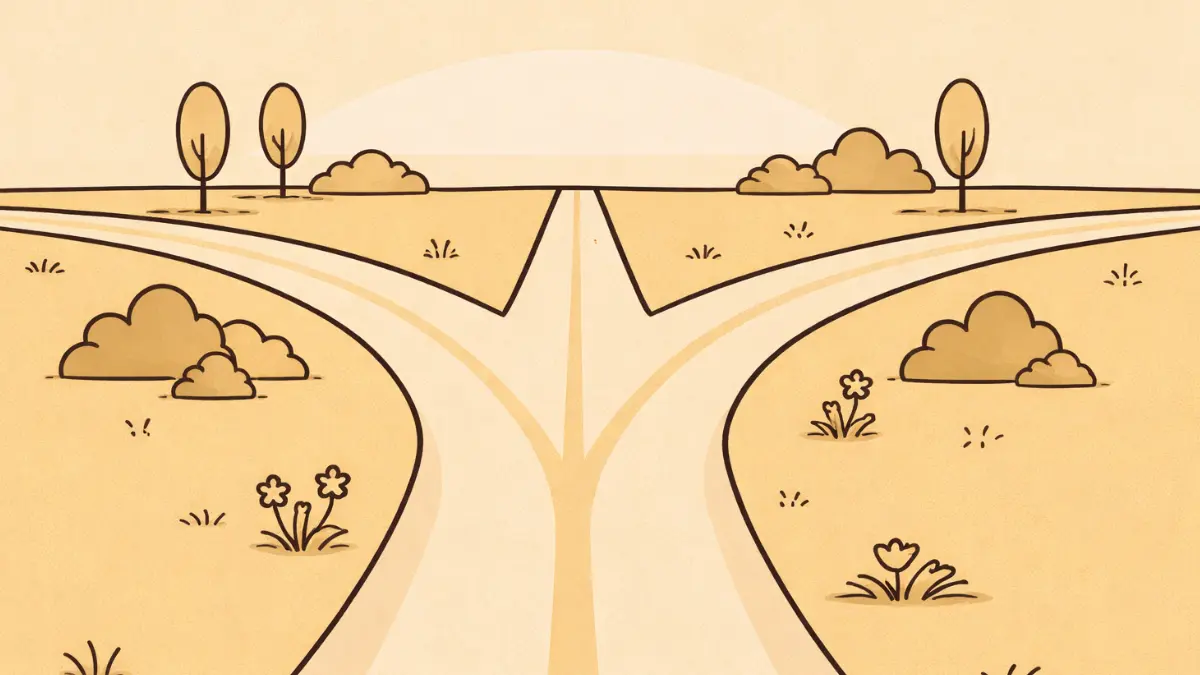
Subplots shouldn't appear too early or too late. Introduce them after your main plot is established but before your story's midpoint.
Too early: If you introduce subplots before readers understand and care about your main plot, they'll feel confused about what your book is actually about.
Too late: If subplots appear in the second half of your novel, they feel like padding. Readers are focused on the main plot's resolution and resent distractions.
The first quarter of your book should establish your main plot. The second quarter can introduce subplots while developing the main story. The third quarter weaves everything together. The fourth quarter resolves both main plot and subplots, with subplots typically resolving slightly before or during the main climax.
When to Resolve Subplots
Most subplots should resolve before or during your main climax, not after. Once readers have experienced your novel's peak emotional moment, their attention is winding down. Resolving subplots after the climax creates an anticlimactic drag.
Two approaches:
Resolve early. Subplot wraps up before the climax, clearing the decks for the main event and possibly providing resources or lessons the protagonist needs for the finale.
Resolve during. Subplot reaches its peak alongside the main climax, with both storylines converging in the same scene or sequence.
One exception: cliffhanger subplots in series. You might leave a subplot unresolved to carry into the next book. Use sparingly, and make sure the main plot of each book reaches satisfying resolution.
How Many?
There's no magic number, but most novels work best with two to four subplots. Too few and your story feels linear and thin. Too many and readers lose track, the pacing suffers, and none of the subplots get enough development to matter.
Consider your novel's length:
- A 60,000-word novel might support two subplots
- An 80,000-word novel might handle three
- A 100,000+ word novel can sustain four or more
Genre matters too. Epic fantasy readers expect multiple storylines. Thriller readers want tight focus. Romance readers expect the relationship plot to dominate.
If you're struggling to give each subplot adequate page time, you probably have too many. Cut or combine until each subplot has room to breathe.
Common Subplot Mistakes
The abandoned subplot. You introduce a storyline then forget about it. Readers notice. Every subplot you start must resolve.
The irrelevant subplot. A subplot that never connects to the main plot or affects the protagonist. It might be interesting on its own, but if it doesn't serve this book, it doesn't belong in this book.
The overshadowing subplot. A subplot that becomes more compelling than your main plot. Either your main plot needs strengthening or this "subplot" is actually your real story.
The too-convenient subplot. A subplot that exists only to provide something the protagonist needs exactly when they need it. Setups should feel organic, not engineered.
The tonal mismatch. A lighthearted subplot in a dark book (or vice versa) that gives readers whiplash. Subplots can provide contrast, but they shouldn't feel like they belong in a different novel.
Subplots in Revision
First drafts often have subplot problems: abandoned threads, imbalanced page time, missing connections to the main plot. This is normal.
In revision, map your subplots deliberately. Track where each subplot appears, how it progresses, and how it connects to the main story. Look for gaps where a subplot disappears for too long, or sections where subplots crowd out the main plot.
The architecture of your subplots can be refined once you see the whole structure. That's the advantage of revision—you can weave the threads together knowing where they all end.
Tools like Inkshift can help identify subplot issues in your manuscript, flagging storylines that disappear for too long, threads that never resolve, or secondary plots that overshadow your main narrative. It's useful for seeing the structural problems that are hard to spot when you're deep in the weeds of your own story.