Character Flaws: Why Perfect is Boring
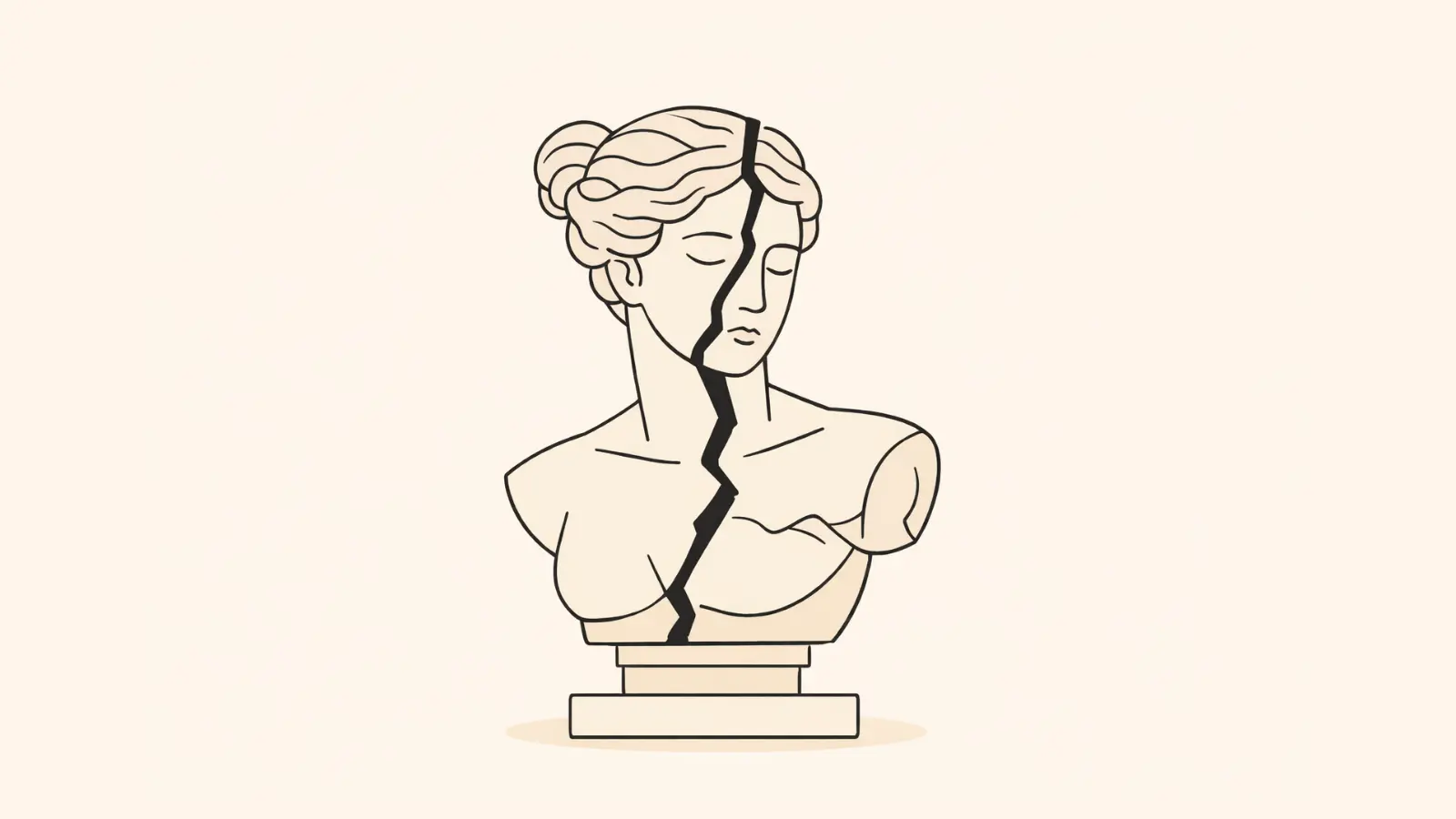
Readers don't connect with perfection; they connect with authenticity. The perfectly coiffed hero who always says the right thing and never makes a questionable decision isn't just unrealistic, they're dull. Characters become memorable through their struggles against imperfection. Flaws create the friction that ignites conflict, and conflict drives story. There's a reason Batman outsells Superman.
Flaws are the gap between who a character is and what they need to become for the story. It's the foundation of a character arc. But to build that arc, it helps to understand the different kinds of imperfections you can use.
Why Flaws Matter
First, let's draw a quick distinction. A flaw isn't the same as a quirk or a trauma response.
- Quirks are minor, often endearing habits that add flavor but don't drive the plot. Think of a character who hums off-key or collects antique spoons.
- Trauma is an emotional wound from past events that influences behavior. While it can be the source of a flaw, the flaw itself is the character's maladaptive belief or behavior pattern that results from it.
- A Flaw is an active, negative trait. It's a weakness or limitation that genuinely hinders the character and creates negative consequences.
New writers often misunderstand quirks as flaws. They add a drinking problem to their character to give them a flaw, but it doesn't actually lead to any issues in the story. A character who is clumsy might create a funny or inconvenient moment, but a character whose impulsiveness causes them to lose their job creates a story problem. That's the difference. Flaws must have stakes.
Three Types of Character Flaws
We can sort most character flaws into three main categories. A well-rounded character will often have a mix of these, but usually one central flaw drives their main journey.
Moral Flaws
These are ethical failings or distorted beliefs about right and wrong. Moral flaws include traits like selfishness, prejudice, cruelty, or dishonesty. A character with a strong moral flaw forces the reader to grapple with someone who does bad things. They might be an anti-hero whose greed leads them to betray their allies, or a protagonist whose prejudice blinds them to the truth. These flaws create deep internal and external conflicts as the character's actions hurt themselves and others.
Competency Flaws
These are limitations in a character's skills, abilities, or knowledge. Think of impulsiveness, naivety, social awkwardness, or being terrible under pressure. Competency flaws create practical obstacles. A detective who is brilliant at solving clues but socially awkward will struggle to interview witnesses effectively. A rebel pilot who is impulsive might win a skirmish but endanger the entire fleet. These flaws force the character to adapt, learn new skills, or rely on others to succeed.
Psychological & Emotional Flaws
Often the deepest and most impactful, these flaws are internal wounds, fears, or broken patterns of thinking. This category includes fear of intimacy, crippling self-doubt, perfectionism, or a tendency toward self-sabotage. Psychological flaws are frequently the engine of a character's internal arc. The entire plot may be a crucible designed to force the character to confront this core wound.
Fatal Flaws vs. Minor Flaws
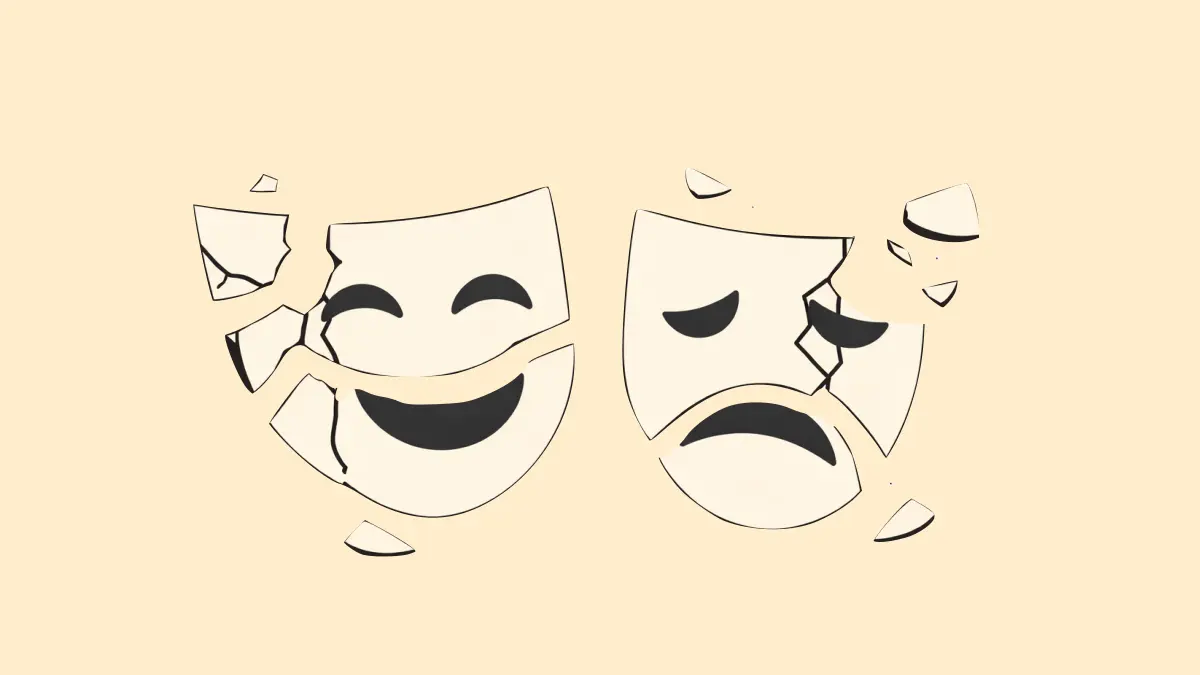
Not all flaws are created equal. Great characters have a blend of imperfections that make them feel layered and realistic.
-
One major flaw should anchor your character arc. This is often called the "fatal flaw" or "tragic flaw," a term for a weakness that, if unchecked, will lead to the character's downfall. This is the central problem they must overcome to achieve their goal. Mr. Darcy's pride in Pride and Prejudice is a perfect example; his entire journey is about overcoming it.
-
Supporting minor flaws add texture and realism. These are smaller imperfections that make a character feel more human but don't necessarily drive the main plot. They can be annoying habits, small preconceptions, or moments of poor judgment. They make the character feel less like a narrative device and more like a real person.
You want to give your character enough flaws to feel human and create conflict, but not so many that they become dysfunctional or unlikeable, unless that's your specific intention.
Flaws Must Create Consequences
A flaw that doesn't cause problems is just an informed attribute. It’s not enough to say a character is arrogant; you must show their arrogance costing them a valuable friendship or causing them to underestimate a villain. Good flaws consistently make things worse for the protagonist.
This is the "informed attribute" trap. If you tell the reader a character is impulsive but that impulsiveness never leads to negative outcomes, the flaw has no narrative weight. The consequences should complicate both the external plot (making it harder to achieve the goal) and the character's internal relationships, creating tension and forcing difficult choices. As you might expect, story structure and flaws go hand in hand.
Flaws and Character Arcs
A character's primary flaw is directly tied to their arc. It's the transformation they undergo throughout the story or the lesson or hard truth they need to learn. There are a few common ways this typically plays out:
- Overcoming the Flaw (Positive Arc): This is the most common character arc. The story's events force the protagonist to confront their flaw, learn from their mistakes, and grow into a better version of themselves.
- Succumbing to the Flaw (Tragic Arc): In a tragedy, the character is unable or unwilling to overcome their flaw. They double down on their worst impulses, leading to their ultimate downfall.
- The Flat Arc: Here, the protagonist doesn't change. Instead, their steadfastness in the face of challenges changes the world around them. Their core beliefs are tested and proven right.
We won't go deeper here, but if you'd like to learn more about common character arcs, in this article we touch on the most common types of arcs you find in fiction.
Common Mistakes to Avoid
When handling character flaws, writers often fall into a few common traps:
- The Convenient Flaw: The flaw only appears when the plot needs it to, rather than being a consistent part of the character's personality.
- Confusing Trauma with Flaws: A character's reactions to trauma are symptoms of a wound, not necessarily a moral or personal failing.
- Instantly Justifying the Flaw: Don't rush to explain away a character's bad behavior. A character who is controlling "but only because she cares so much" neuters the flaw's impact. Let the negative actions stand on their own and explore the justifications later.
- Lack of Self-Awareness: While some characters may be blind to their flaws, a complete lack of any self-awareness can feel unrealistic for many adult characters.
Techniques for Revealing Flaws
Show, don't just tell. Reveal your character's flaws organically through:
- Action: What a character does under pressure reveals their true nature far more than what they say.
- Relationships: How do other characters react to the flaw? Do they enable it, confront it, or suffer because of it?
- Internal Thought: Show the reader the character's self-deception, rationalizations, and internal struggles with their own worst impulses.
- Consequences: Let the reader see the mounting cost of the flaw over time, building a pattern of negative outcomes.
We've written extensively on showing and telling, but here's a quick tip for characters. Believable characters are not usually aware of their flaws. Or if they are, it's something they try to avoid until pushed by the plot to confront it. Having them think or talk about their deep vulnerability (for the reader's benefit), is likely too on the nose.
If you're worried your character journey isn't coming across as intended, this is where tools like Inkshift can help. By analyzing your story's structure, pacing, characters, setting, and line-level prose across your entire manuscript, Inkshift identifies when your arc lands as intended (and also identifies areas for improvement).
Flaws and Likability
Many writers fear that giving their characters significant flaws will make them unlikeable. But a character doesn't have to be likable to be interesting. The goal is to make them compelling. You can balance out serious moral or psychological flaws by giving the character redeeming qualities.
- Competence: A character who is cruel but brilliant at their job can be fascinating.
- Vulnerability: Showing the reader the source of the flaw or moments of regret can build empathy.
- Humor: A character who is aware of their flaws and can be funny about them is often more forgivable.
Sherlock Holmes is arrogant, condescending, and emotionally detached, but his extraordinary deductive abilities and his pursuit of truth make him captivating despite his abrasiveness.
Conclusion
Perfect characters are a narrative dead end: nowhere to go, nothing to learn. The heart of a story is the struggle. Readers remember hard-won battles against circumstances, antagonists, and, most of all, the self. The gap between who your character is at the start and who they need to become by the end is your story. Embrace the imperfections. That's where the magic happens.