How to Write Flashbacks in Fiction: Techniques, Transitions, and When to Cut
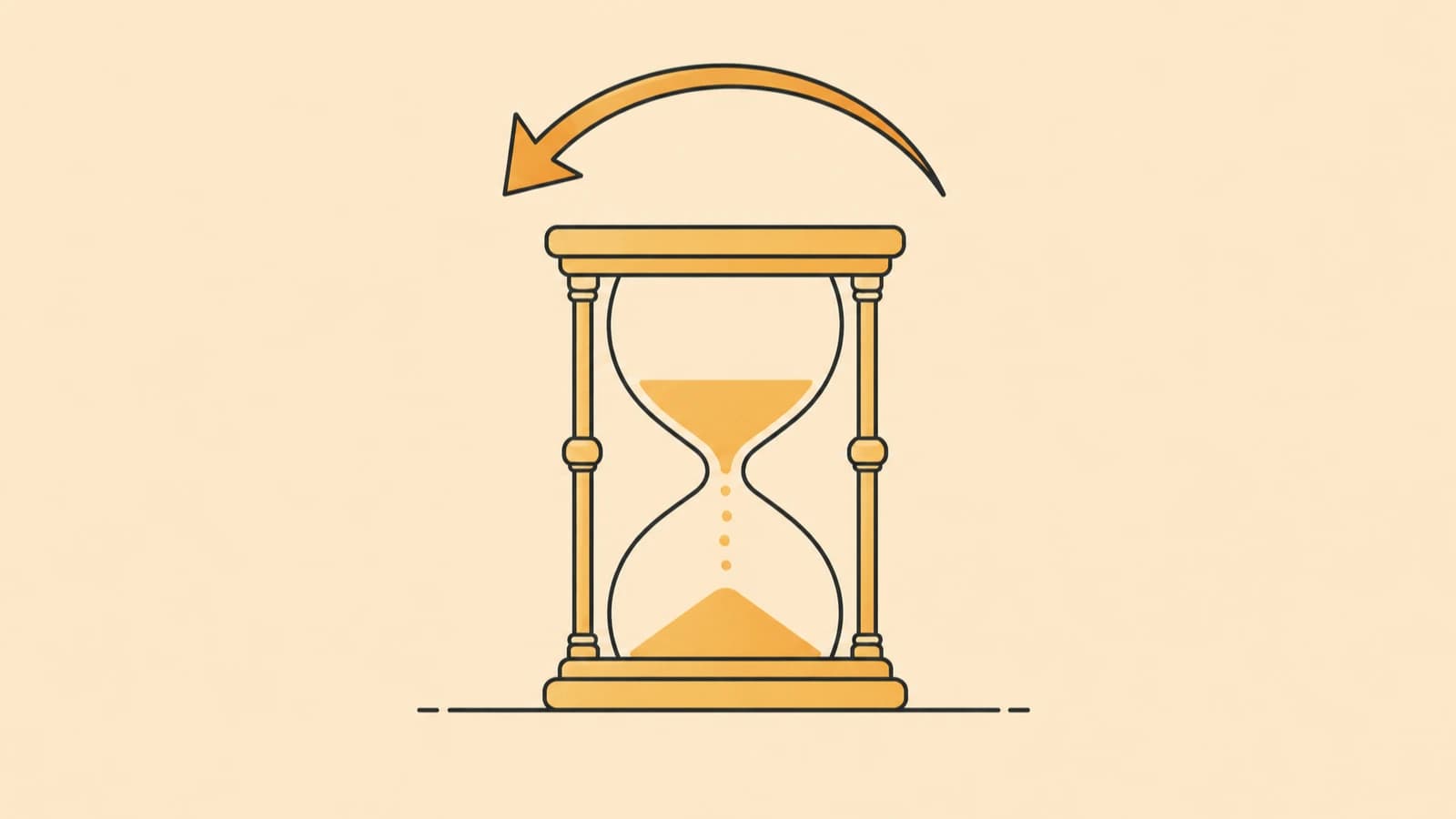
A flashback is a scene set earlier in your character's timeline, inserted into the present-day narrative to reveal something about who they are, what happened, or why the present moment matters.
Done well, flashbacks are powerful. They can recontextualize what readers thought they understood. They can reveal the wound beneath a character's behavior or create dramatic irony by letting readers know something the character doesn't.
Done poorly, they're where stories go to stop moving.
The difference is almost always a question of timing, purpose, and pressure.
When a Flashback Is Warranted
A flashback is justified when it delivers something that can't be delivered as effectively any other way at this particular moment in the story.
It's a high bar. Most backstory doesn't need to be shown as a full scene. A difficult childhood, failed marriage, defining mistake, or old betrayal can often be woven into present-day action, dialogue, and brief interiority without stopping the story. For the broader backstory problem, see our guide to weaving backstory naturally.
A flashback earns its place when:
The reader needs to witness it. There is a difference between understanding that a character was betrayed and watching the betrayal happen. When the emotional impact depends on witnessing, a flashback may be the right tool.
It changes the present. The best flashbacks arrive when they alter the reader's understanding of the current scene. They change the meaning of what is happening now. For example, a flashback might reveal that the protagonist and villain were once like brothers at the orphanage.
The timing is precise. A flashback that arrives too early asks readers to care before they're invested. A flashback that arrives too late may answer questions readers have already stopped asking. The right moment is usually when the present-day scene creates an emotional question the flashback can answer.
It has its own tension. A flashback is still a scene. It needs conflict, movement, and a shift by the end. If nothing changes, it's exposition.
When Flashbacks Are the Wrong Tool
Writers often reach for flashbacks when they worry readers won't understand a character's motivation. The impulse is understandable, but the result is often the opposite of what the writer intended.
Instead of deepening the character, the flashback explains the character and removes the mystery. Instead of increasing urgency, it pauses the present-day story. Instead of trusting readers, it tells them exactly what to think.
Signs you are using a flashback as a crutch:
- The information could be delivered through present-day behavior or dialogue.
- The flashback arrives before readers care about the character.
- Every surprising character choice is followed by a flashback explaining it.
- The flashback is longer than the present-day scene that triggered it.
- The past timeline is more compelling than the present one.
If your flashbacks are consistently more alive than your main story, the problem may not be the flashbacks. The problem may be that the present-day narrative lacks pressure.
The Alternative: Implication
The alternative to a flashback is not always exposition. Often, it's implication.
A character who flinches at raised voices doesn't need an immediate flashback to an abusive home. The flinch tells us enough for now. A character who checks the locks three times before bed implies a history without requiring us to visit it. A character who refuses to sit with their back to a door carries backstory in their body.
Readers are sophisticated. Trust them to infer the shape of a wound before you show the wound itself.
The full flashback should come only when implication is no longer enough.
Types of Flashbacks
Not all flashbacks work the same way. Knowing the type helps you control the effect.
The Full Scene Flashback
This is a complete scene in the past, with action, dialogue, sensory grounding, and conflict.
Full-scene flashbacks are immersive, but disruptive. Use them sparingly. They work best when the past event is dramatic enough to sustain a scene and important enough to interrupt the present.
The Memory Fragment
A memory fragment is brief: a few sentences, a paragraph, a sensory flash. It doesn't become a full scene.
The coffee smell hit him hard. His mother's kitchen. The chipped blue mug she always gave him, even when he was twelve and his coffee was mostly hot milk.
A fragment like this doesn't require a formal transition. Its brevity signals that readers are moving through memory, not entering a new scene.
The Parallel Timeline
Some novels alternate between present and past chapters, telling two storylines at once. At that point, you are not really using occasional flashbacks. You are using a dual-timeline structure.
This can work beautifully, but it changes the contract with the reader. Both timelines need their own momentum, questions, and payoffs, and they must be relevant to one another without revealing too much. The past cannot exist only to explain the present.

How to Enter a Flashback
The transition into a flashback is where many drafts lose control. A clumsy transition makes readers aware of the mechanism.
The best entries use a sensory trigger, emotional pressure, or present-day action that naturally connects to the past. The reader feels the pull before the flashback begins.
Weak transition:
She thought about the last time she had seen him. It was three years ago, when they were still together.
Three years earlier...
This is mechanical. It announces the move instead of making readers feel it.
Stronger transition:
The soap on the bathroom counter was the same brand her mother used to buy, the yellow oval that wore down in the middle. She stood there holding it.
Her mother's hands on her face, thumbs tracing her cheekbones. You have your grandmother's eyes. She had never known her grandmother. She had always meant to ask more questions.
The second example moves from present-day sensory detail into memory through association. The transition is felt rather than posted like a sign.
Useful ways to mark the shift:
- A scene break before a full flashback.
- Past perfect tense for the opening sentence or two.
- Italics for very brief memory fragments, used sparingly.
- A chapter break for long flashbacks or parallel timelines.
The cleanest approach for a past-tense novel is often a scene break plus a past-perfect opening, then a shift into regular past tense once the reader is oriented.
How to Exit a Flashback
Returning to the present is just as important as entering the past.
Avoid mechanical phrases like:
Back in the present...
Also be careful with the familiar snap-back line:
"Are you even listening?" Marcus said.
That can work, but only if it feels motivated rather than automatic.
The best exits mirror the logic of the entry. A sensory detail in the past connects to a sensory detail in the present. A sound carries across time. A gesture begins in memory and completes in the current scene.
You can also end the flashback with a scene break, then open the next paragraph firmly in the present:
Rain ticked against the office window.
Mara looked down at the unsigned contract. Her hand was still closed around the pen.
No explanation needed. The reader knows where they are because the scene is anchored.
Tense in Flashbacks
If your novel is in past tense, flashbacks create a technical problem: how do you signal the further past without making the prose awkward?
The standard approach is to open in past perfect:
She had been twenty-two when the call came. She had been sitting in her car outside the grocery store, holding a receipt she could not remember being handed.
After two or three sentences, shift into regular past tense for the body of the flashback. Sustaining past perfect for a whole scene becomes clunky. The opening bridge is usually enough to orient the reader.
If your novel is in present tense, flashbacks typically move into past tense. This is one reason present-tense novels can become awkward when they rely heavily on memory, backstory, or layered timelines. If you are still deciding how to handle tense and point of view, start with this tense and POV guide.
Common Flashback Mistakes
Opening the Novel With a Flashback
Starting with a flashback before readers are invested in the present-day story is risky. You are asking them to care about the past before they know why the past matters. The same issue shows up in weak openings generally: readers need a reason to turn the page before they need a history lesson, which is why the opening hook matters so much.
There are exceptions, especially prologue-style openings that create a strong promise. But as a rule, establish the present first. Give readers a character, a situation, and a reason to care. Then the past has somewhere to land.
Backstory Dumps in Disguise
A flashback that exists purely to transfer information is not a scene. If you can summarize it in two sentences without losing anything essential, it probably should be two sentences.
The flashback needs its own immediate tension. Someone wants something. Something resists them. The situation changes.
Too Many Flashbacks
If your story stops every few chapters to visit the past, readers lose their grip on the present. Each flashback spends momentum. Make sure the return is worth the cost.
Ask: am I in the past because the story requires it, or because the past is easier to write than the present?
Explaining Too Much
Flashbacks are most effective when they deepen mystery rather than dissolve it completely. If a flashback explains exactly why a character behaves the way they do, accounting neatly for every trait and wound, readers lose the pleasure of inference.
Show enough to create resonance. Leave enough to create depth.
A Practical Test for Every Flashback
Before committing to a flashback, ask four questions:
- Can this information be delivered through present-day action, dialogue, or implication?
- Does this flashback have its own conflict and movement?
- Is this the right moment in the story for this information?
- Does the flashback make the present-day story more urgent?
If the answer to the last question is no, the flashback probably belongs somewhere else, should be shortened, or should be cut.
Inkshift is a manuscript feedback tool that can help identify where pacing stalls, which often reveals whether flashbacks are deepening the story or interrupting it. It's a useful way to get an objective, fast assessment of how well your characterization is serving the story.
Conclusion
When readers emerge from a flashback and the current scene means something different than it did before, the flashback has earned its place. They understand the character differently. They feel the stakes more sharply. They sense the weight of history pressing on what is happening now.
Flashbacks work when they deepen the present.