Foreshadowing: How to Plant Clues Readers Remember
Readers love being surprised and hate feeling tricked.
That's the problem foreshadowing solves. A twist, reveal, betrayal, rescue, death, romance turn, or climactic choice can shock readers in the moment, but once they look back, they need to feel that the story was playing fair. The clues were there. How could they have missed them? They need to feel like the twist didn't come out of nowhere.
Foreshadowing is the setup, and payoff is the moment the setup matters.
The goal is to make the story inevitable without making it predictable. In this guide, we'll learn how.
What Is Foreshadowing
First, let's define it. Foreshadowing is an early signal that prepares readers for a later development. That signal might be a detail, image, line of dialogue, object, pattern of behavior, minor warning, repeated phrase, or small contradiction.
Foreshadowing:
- Creates anticipation: readers expect something is coming.
- Builds trust: makes a promise to the reader that's earned when it pays off.
- Adds coherence: later chapters feel connected to the beginning.
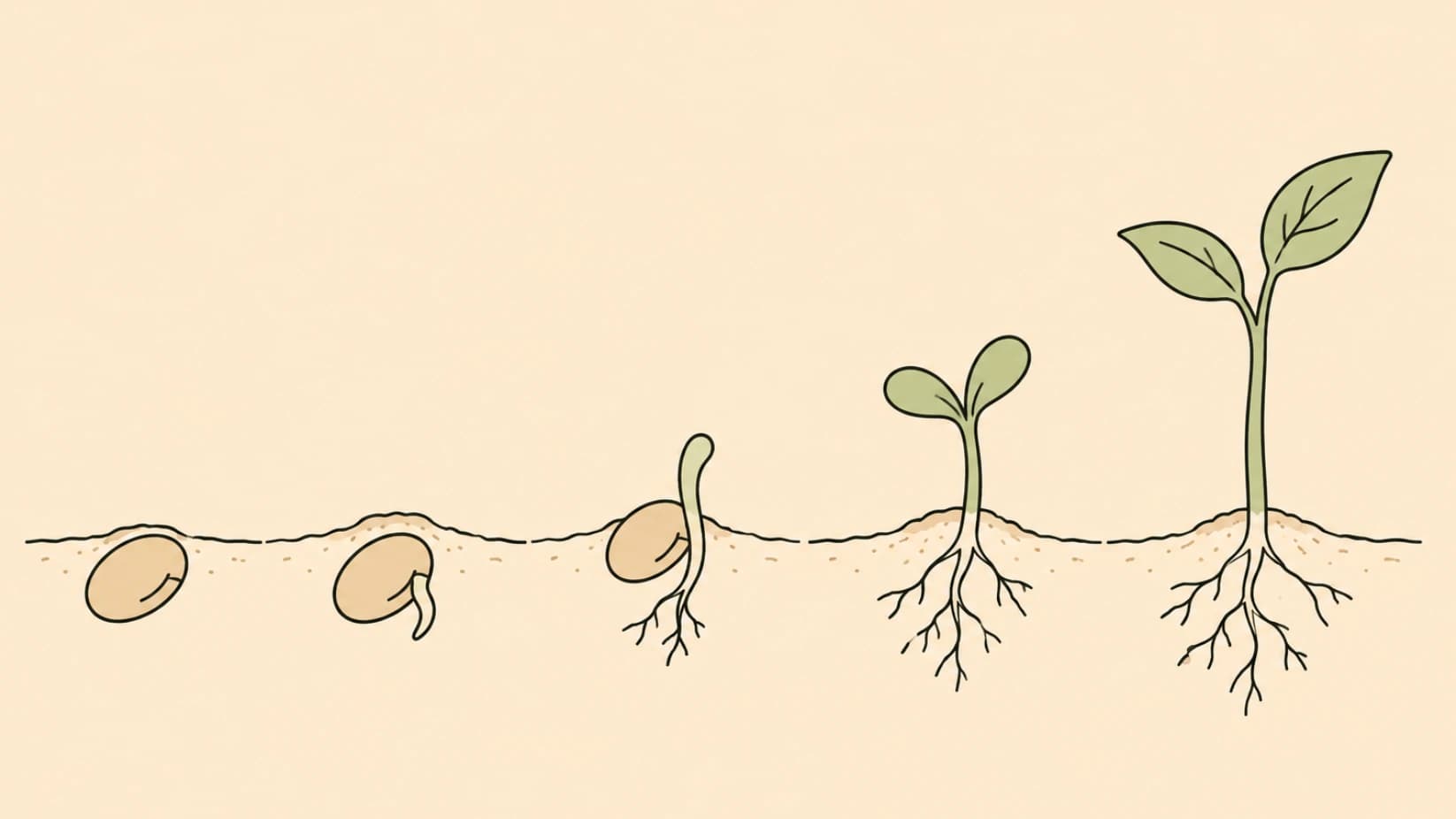
It's the seeds you plant in early chapters that blossom in later chapters and make you, dear writer, look brilliant.
Foreshadowing Is Not Spoiling
Many writers avoid foreshadowing because they're afraid readers will guess the twist. Understandable, but it leads to a worse problem: the twist arrives without enough support.
Surprise alone is cheap. You can surprise readers by having a spaceship land in the middle of a quiet literary divorce novel. That doesn't make it satisfying. If a twist contradicts the story's established logic, readers experience it less as surprise and more as a plot hole. A satisfying surprise has two qualities:
- It's not what readers expected.
- It makes sense the moment it happens.
The trick is to plant clues that have an innocent meaning when readers first encounter them and a second meaning after the payoff. On a first read, the detail belongs naturally to the scene. On a reread, it glows.
That is the sweet spot: hidden in plain sight.
The Main Types of Foreshadowing
Not every setup has to be subtle. Different story moments need different kinds of preparation.
Direct Foreshadowing
Direct foreshadowing tells readers, plainly, that something is coming.
This can be as overt as a narrator saying that a summer was the last peaceful season the family ever had. It can be a prophecy, a warning, a threat, or a promise. Direct foreshadowing works because it creates suspense and tension. Readers know something will happen; they keep reading to discover how and when.
A character waking up aboard a sailboat is not as interesting as a scene that opens with a crack in the mast.
Use direct foreshadowing when the question is not will this happen? but what will it cost when it does?
Indirect Foreshadowing
Indirect foreshadowing plants a clue without announcing its importance.
A character avoids mirrors. A house has one room nobody enters. A side character notices a bruise and says nothing. A protagonist repeatedly chooses pride over honesty in small scenes before pride destroys a relationship in a large one.
Symbolic Foreshadowing
Symbolic foreshadowing uses imagery, motifs, or repeated objects to prepare the reader emotionally.
For example, a novel about a failing marriage might repeatedly return to household repairs that never hold: a patched ceiling, a drawer that sticks, a faucet that keeps leaking. These details may not predict a specific plot event, but they prepare readers for the emotional payoff. The relationship has been telling us what it is all along.
This type of foreshadowing is especially useful for theme. If your ending makes a claim about forgiveness, ambition, sacrifice, freedom, or trust, the story should be quietly circling that idea long before the final pages.
Character-Based Foreshadowing
The most satisfying payoffs often come from character, not plot.
A protagonist who cannot ask for help should face a climax where asking for help is the brave choice. A villain who needs admiration should make her fatal mistake when denied an audience. A love interest who always deflects with humor should eventually be forced into plain speech. This is where foreshadowing overlaps with character arcs: the ending has to feel like the transformation the story has been preparing all along.
In these cases, the foreshadowing is behavioral. You're training readers to understand how a character responds under pressure, then pushing that pattern to its breaking point.
Payoff
Payoff is the moment a planted element becomes meaningful.
It can be external: the key opens the locked door, the overheard line explains the murder, the strange rule of the magic system saves the protagonist. It can also be emotional: the phrase a character could never say finally comes out, the object they kept for years is given away, the fear they have avoided becomes the thing they must face.
Good payoff changes the reader's understanding.
After a strong payoff, readers should feel like the answer was staring them in the face the whole time. It connects the moment to prior pages.
The Setup-Payoff Contract
Every setup makes a promise. Every payoff keeps one.
If you draw attention to a detail, readers assume it matters. If you repeat an image, readers assume it's part of the story's pattern. If a character says they'll never do something, readers wait for the moment when they either do it or prove why they can't.
Not every object needs to be a plot device, but you should be tactical about the details you're asking readers to remember. The same principle applies to subplots: if the story asks readers to track a thread, that thread needs consequence.
There are three common failures:
Setup without payoff. The story lingers on a detail, warning, object, or subplot, then never returns to it. Readers may not consciously remember every dropped thread, but they feel the slack.
Payoff without setup. The ending depends on information, ability, motivation, or coincidence that was not planted earlier. This is why some endings feel convenient even when the events are dramatic.
Mismatched payoff. The setup promises one kind of story, but the payoff belongs to another. A mystery plants clues toward a human killer, then resolves through a supernatural explanation. A romance builds toward emotional honesty, then resolves through a random external rescue. The payoff may be interesting, but it doesn't keep the promise.
How to Plant Clues Without Making Them Obvious
The best clues are noticeable but not suspicious. It's a delicate balance.
Give the Detail a Scene-Level Purpose
A clue should matter before it matters.
If the protagonist notices a cracked window latch because someone will later break in through that window, the detail may feel obvious. But if the cracked latch matters in the scene because the room is cold, or because the landlord has ignored repairs, or because it reveals the protagonist's financial stress, the clue has cover.
Readers accept details that serve the immediate scene.
Attach the Clue to Emotion
Readers remember emotionally charged details better than neutral ones.
A necklace mentioned in a list of objects may vanish from memory. A necklace a character refuses to take off because it belonged to her sister will stay with readers. Later, when the necklace becomes evidence, sacrifice, or proof of identity, the payoff lands because the object was already emotionally alive.
Use Misdirection Honestly
Misdirection gives readers a plausible interpretation that later turns out to be incomplete.
A character seems nervous because they're hiding an affair. Later, readers learn they were hiding a criminal connection. The nervousness was real. The reader's interpretation was wrong.
Misdirection feels unfair when it withholds information the point-of-view character clearly knows or describes a scene in a way that deliberately prevents readers from drawing reasonable conclusions.
Repeat With Variation
One clue can be missed. Three identical clues feel heavy-handed. The answer is repetition with variation.
If your payoff depends on a character's fear of deep water, don't just mention the fear three times. Show them avoiding a boat trip. Let them joke too quickly when someone mentions swimming. Have them freeze for half a second at a hotel pool, then recover. Each beat adds a slightly different layer.
By the time the climax forces them into water, the payoff feels earned.
Foreshadowing Character Change
Character arcs need foreshadowing as much as plot twists do.
If a selfish character becomes generous in the final act, readers need earlier evidence that generosity was possible.
The mistake is making the character so fixed that the change feels like authorial force. A cruel character can become merciful, but the story should show flickers of restraint, guilt, tenderness, or longing before the turn. A coward can become brave, but the story should show what they care about enough to risk themselves for. For example: the villain is cruel, but dotes on their cat. They feel empathy, just not for the protagonist.
Foreshadowing the Ending
The final pages should feel like the place the whole story has been moving toward.
This doesn't mean you need to know your ending before you draft. Many writers discover the ending late. But once you know it, you need to go back and prepare the reader.
Look for these elements:
- The external solution. What knowledge, object, ally, skill, or choice makes the resolution possible?
- The internal solution. What must the protagonist understand, surrender, accept, or become?
- The cost. What does the ending require the character to lose? Make it important to them.
- The thematic answer. What question has the story been asking, and how does the ending answer it?
Each of these should have roots earlier in the manuscript. If the protagonist wins by trusting someone, show earlier scenes where mistrust costs them. If the ending depends on an ally, make that relationship matter before the final act. If the thematic answer is that freedom requires responsibility, let the story test both freedom and responsibility before the climax.
An ending that is foreshadowed only by plot mechanics will feel clever. An ending foreshadowed by plot, character, and theme will feel inevitable.
An Outside Perspective
Foreshadowing is hard to evaluate in your own work because you already know what every detail means. You can't unread the ending.
Inkshift analyzes your full manuscript, which makes it useful for setup and payoff problems that span dozens of chapters. It can help flag dangling plot threads, underprepared twists, unclear character turns, and payoffs that may need stronger roots earlier in the story.
Conclusion
The best foreshadowing disappears into the story until the moment it's needed, then it snaps into focus.
Plant clues that matter in the scene where they appear, then matter more in later chapters. Great books have twists that feel open in the moment and inevitable in hindsight.